With Mr. Justin King, EMHS Principal
At EMHS, belonging is not just a nice idea—it’s a goal worth pursuing every single day. Creating a culture where students feel connected, seen, and valued is at the heart of what we do. Building that sense of belonging requires both structure and heart, and it’s a journey we embark on together.
BEING INTENTIONAL
Mr. King notes, “We’ve worked hard to create systems and traditions that strengthen our community. Events like School Day Out, E-Term, Class Day Out, and field trips are more than just fun—they’re opportunities for students to find their place in our school family. Even small choices, like keeping lockers without locks, speak to the trust and openness we want to cultivate.”
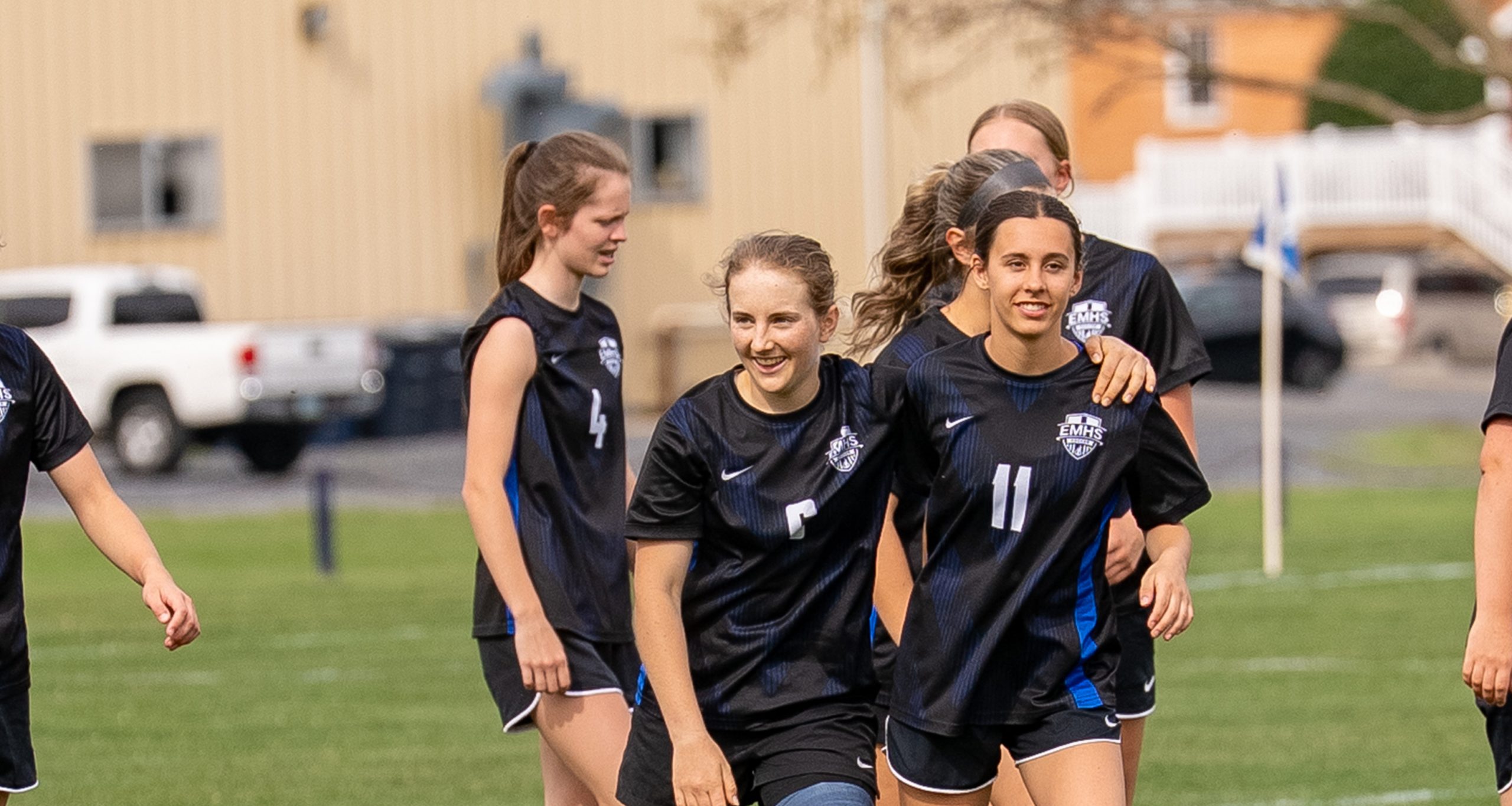
“Belonging takes active effort. We don’t let things slide when they threaten that sense of community. When something isn’t working, it’s our responsibility to pause, reflect, and respond.” One of Mr. King’s favorite memories from this year was our homecoming dance. As the night ended, John Denver’s “Country Roads” played, and students began linking arms, but some remained hesitant and stayed outside the circle. A voice called out, “Widen the circle!”—and suddenly, every student present joined together in a massive circle, arm in arm, singing at the top of their lungs. Students from different grades, friend groups, and backgrounds came together in a spontaneous display of unity. Mr. King remembers, “It was a beautiful symbol of what belonging can look like.”
ADDRESSING HARM
But the pursuit of belonging also means addressing harm. Mr. King recalls an incident years ago, when a high school student passed by the middle school strings room and yelled an unkind comment to the younger musicians. It was a careless comment, but it hit the middle school students where they were most vulnerable. The student was presented with a choice: detention or a restorative path that would include talking with the teacher and possible reconciliation. “I met with the student and the strings teacher to talk about the impact of their words. Ms. Lorcas expressed her desire for the student not to just apologize, but to understand. The three of us decided that the student would learn a scale on a string instrument and perform it for the middle school class. The student accepted the challenge.”
When the student finally played that scale, the middle school students erupted into applause. Both the student and the class walked away with a deeper understanding of each other. That one act turned a hurtful moment into a connection, and it reshaped a relationship. It was a reminder that restoring community requires courage, creativity, and time—but the reward is real reconciliation.
BUILDING A CULTURE OF BELONGING
Mr. King reflects, “Teenagers will push boundaries. They will make mistakes, sometimes out of insecurity, sometimes to test limits. Our role as educators is to hold those boundaries lovingly but consistently, and guide students toward making things right. Every correction and every celebration contributes to the culture we are building.”
“Belonging does not happen by accident. It is something we choose to nurture—with every tradition we uphold, every conversation we facilitate, and every circle we widen. At EMHS, this is the work we do together, and it is worth every effort.”