
Jardín de infancia según la tradición de EMS
Excursiones y aprendizaje experimental en el jardín de infancia
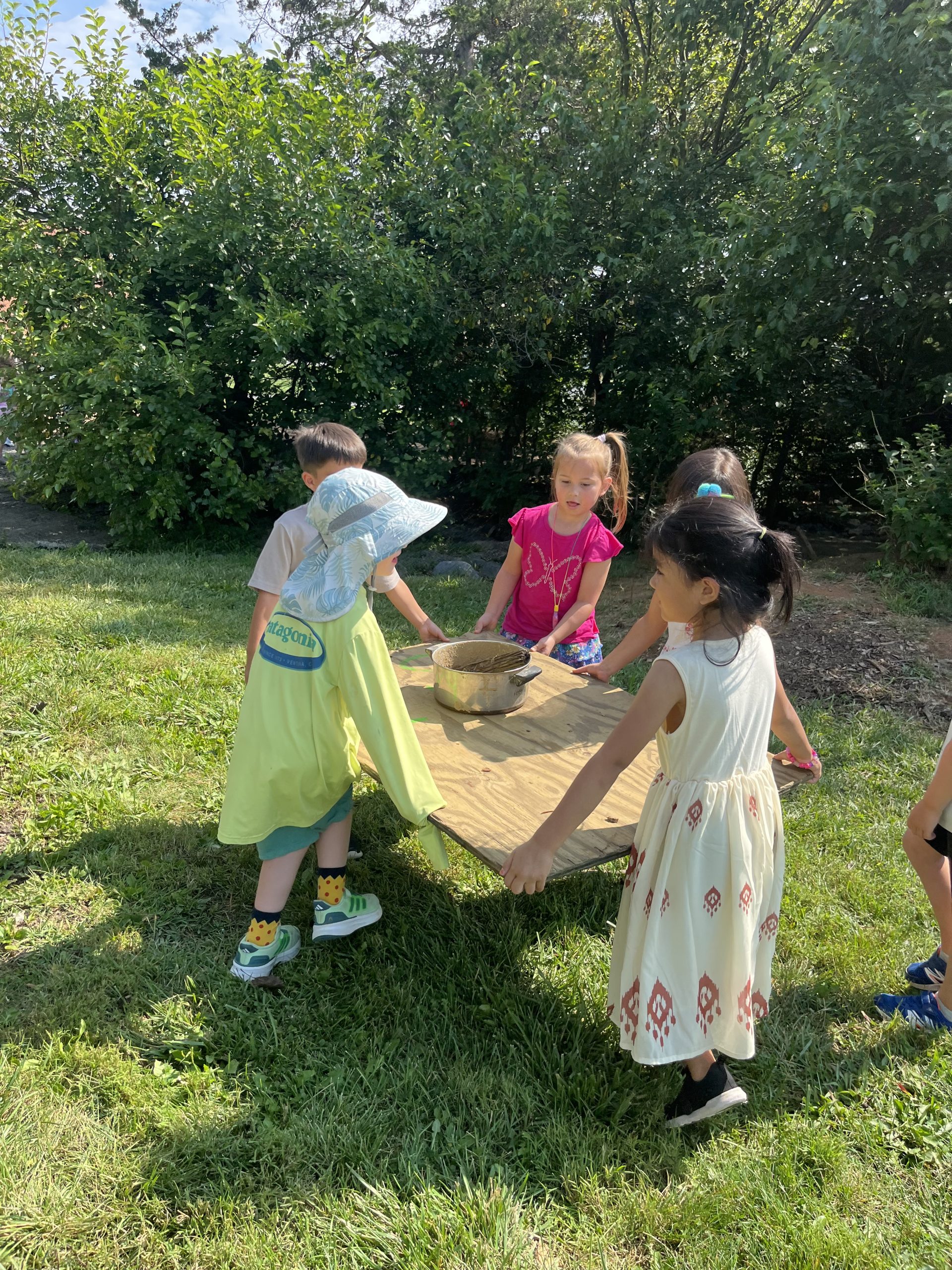
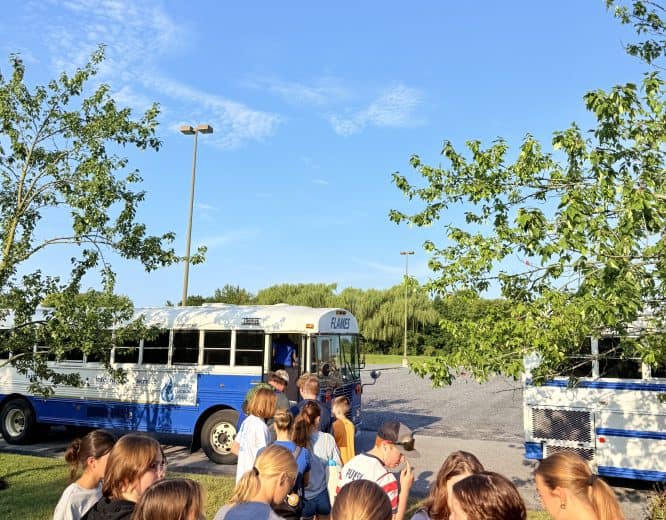
En la Escuela Primaria Eastern Mennonite, el jardín de infancia trasciende la mera introducción a la educación formal; establece una base sólida para la lectoescritura y las matemáticas, a la vez que fomenta la autoconciencia y la autoestima. Un elemento central de este enfoque es el énfasis en las excursiones y el aprendizaje experiencial, fundamentales para formar personas íntegras. Dirigidos por la intrépida y maravillosa Sra. Mast, los alumnos de jardín de infancia se embarcan en aventuras a una granja de flores, hacen pedidos en un restaurante español local, visitan casas de familias, exploran el VMRC y recorren el mercado de agricultores y la cantera local. Se aventuran a la Biblioteca Regional de Massanutten, practican el cruce seguro de calles, viajan en autobús y profundizan en la etiqueta, la seguridad y el mantenimiento básico de la bicicleta. Cada año,Las excursiones de campo evolucionan, moldeado por las conexiones únicas de esa clase en particular, pero el mensaje contundente para estos niños de jardín de infantes sigue siendo muy claro:
“Eres capaz.”
El aprendizaje experiencial a través de excursiones enseña a nuestros estudiantes a ser miembros de la comunidad. Al participar en actividades prácticas e inmersivas, los niños perfeccionan sus habilidades de comunicación e interpersonales mediante la práctica. Este enfoque les permite adaptarse a entornos dinámicos, aprender a interactuar con adultos y miembros de la comunidad, y afrontar desafíos, ¡como la increíble hazaña de caminar casi un kilómetro y medio para llegar a un destino sin quejarse! Las excursiones semanales ofrecen oportunidades invaluables para la exploración, la investigación y una comprensión más profunda de su entorno. Al salir del aula tradicional, los estudiantes se desenvuelven en situaciones del mundo real con curiosidad y resiliencia, lo que se alinea perfectamente con su etapa de desarrollo como aprendices prácticos.
La ciencia respalda este enfoque.
La investigación neurocientífica subraya los beneficios del aprendizaje experiencial para niños de 5 a 6 años, cuyos cerebros se encuentran en una fase de rápido desarrollo. A esta edad, se benefician enormemente de las experiencias prácticas y la participación activa, lo que refuerza el crecimiento cognitivo al vincular la nueva información con contextos del mundo real. Este enfoque mejora la retención de la memoria y la capacidad de resolución de problemas, permitiendo a los niños explorar, experimentar y comprender conceptos de forma práctica. Además, el aprendizaje experiencial fomenta la creatividad, el pensamiento crítico y las habilidades sociales, elementos esenciales para un desarrollo integral.
Hacer cosas difíciles
Nuestros alumnos de preescolar están aprendiendo perseverancia y determinación. Al afrontar desafíos, cultivan la adaptabilidad, el pensamiento crítico y la confianza, habilidades vitales para la vida. Esto se aplica tanto dentro como fuera del aula. En el aula, los alumnos participan en actividades diseñadas para cultivar habilidades esenciales para la vida:
- Exploración y elección:
Las aulas ofrecen mesas sensoriales de temporada, un rincón de lectura, talleres de carpintería, juegos de imaginación y juegos en grupo que refuerzan lo aprendido en las excursiones. - Juego al aire libre:
Zona de juegos al aire libre, espacio natural y aula al aire libre. - Habilidades culinarias:
La preparación de la merienda en clase incluye lecciones sobre lectura, medición y comprensión de la nutrición. Los alumnos también comen lo que preparan y limpian después de la merienda. Los padres están encantados de que sus hijos lleven estas habilidades (y recetas) a casa. - Alfabetización y comunicación:
Las actividades en grupo mejoran el vocabulario, la escucha activa y las habilidades matemáticas. - Conexiones intergeneracionales:
Las colaboraciones con estudiantes mayores durante la hora del almuerzo fomentan la amistad y la integración entre los diferentes grados, especialmente con los compañeros de ciencias y lectura y los comités de EMS, que trabajan juntos para planificar y llevar a cabo los días temáticos.
EMS forma estudiantes preparados para afrontar el mundo con mentes y corazones abiertos.
¡Ven y compruébalo tú mismo!
Jornadas de puertas abiertas de jardín de infancia 2026
- Jueves, 15 de octubre
- Martes, 27 de octubre
Nota: Las solicitudes para el jardín de infancia se aceptarán para el año escolar 2027-28 del 1 de noviembre al 31 de diciembre de 2026.

 Español de México
  English