8th Grade Monument Project Transforms
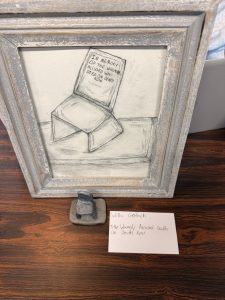
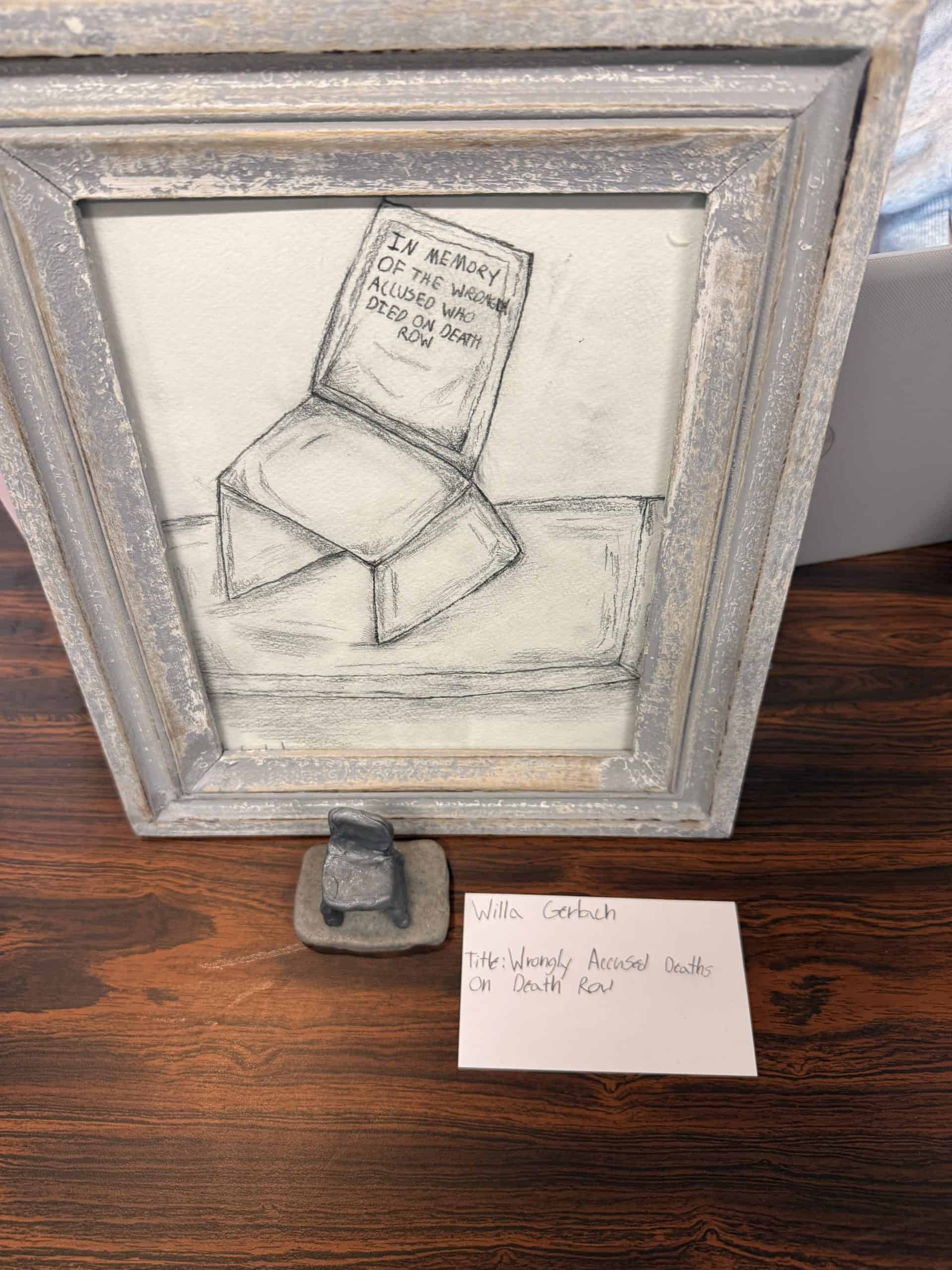
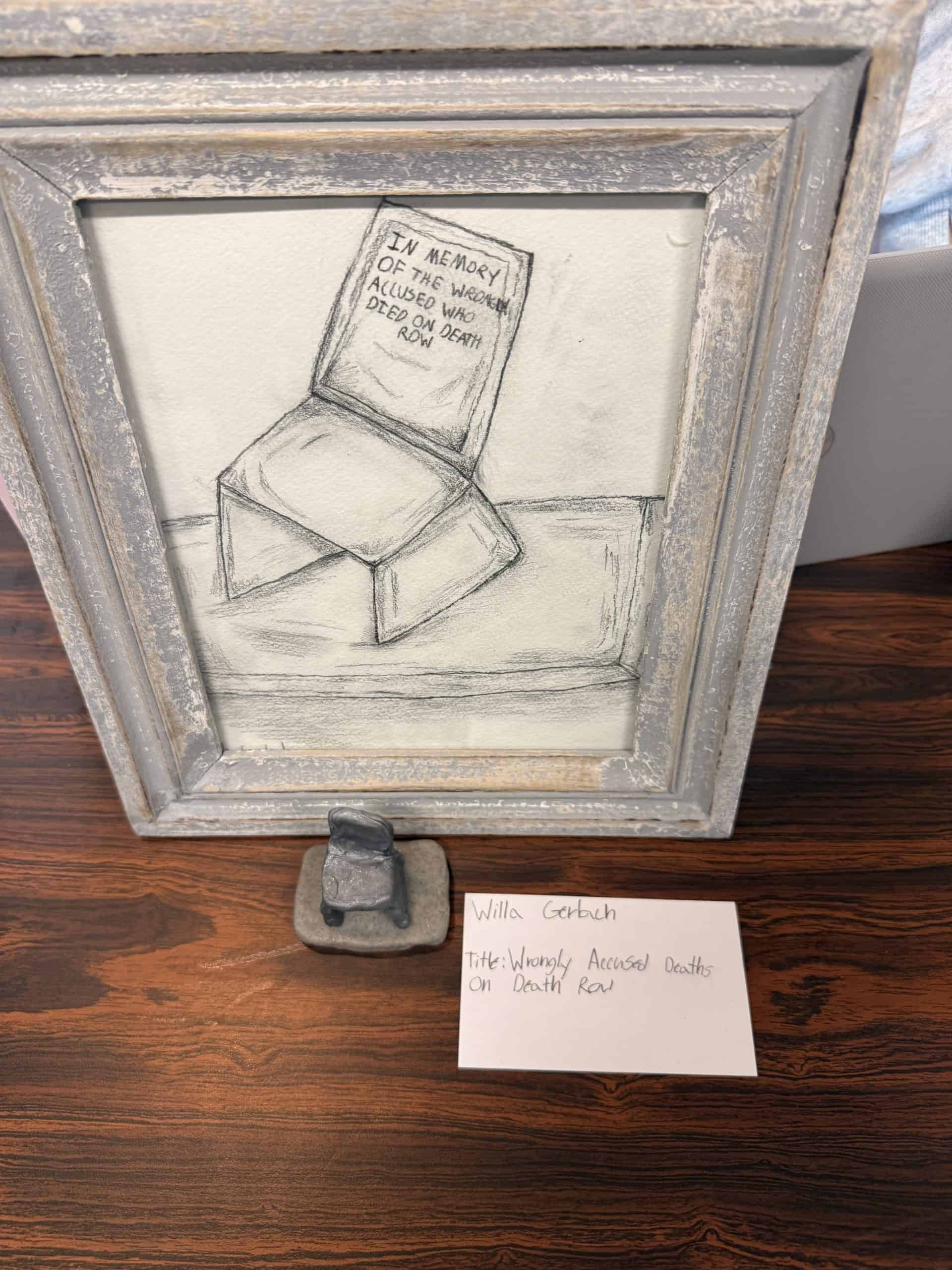
“Wrongly Accused Deaths on Death Row”
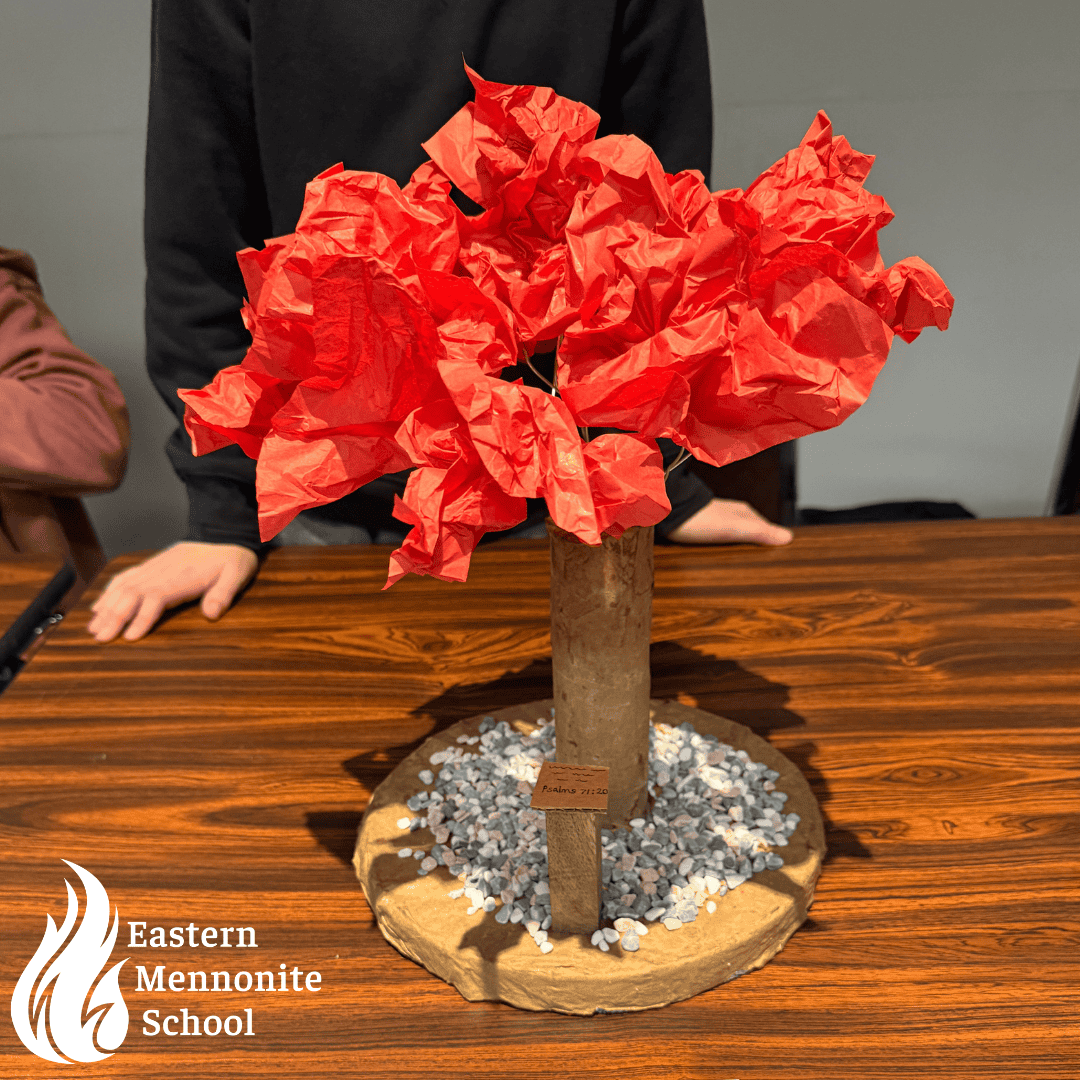
Public spaces often reflect dominant social narratives. Mark Gornto’s 8th-grade English class is challenging students to rethink and reshape these narratives. Under the guidance of Gornto, students are doing the Monument Project, an initiative that encourages them to explore representation in public spaces while addressing themes of equity, inclusion, and personal connections.
“The Monuments Project is at the forefront of a significant collective effort to make sure that our public spaces convey the truth about our history and shift who has the power to shape our present and our future. Over time, and with participation across communities across the US, our commemorative landscape will more accurately tell our collective histories—and help build shared understanding.”
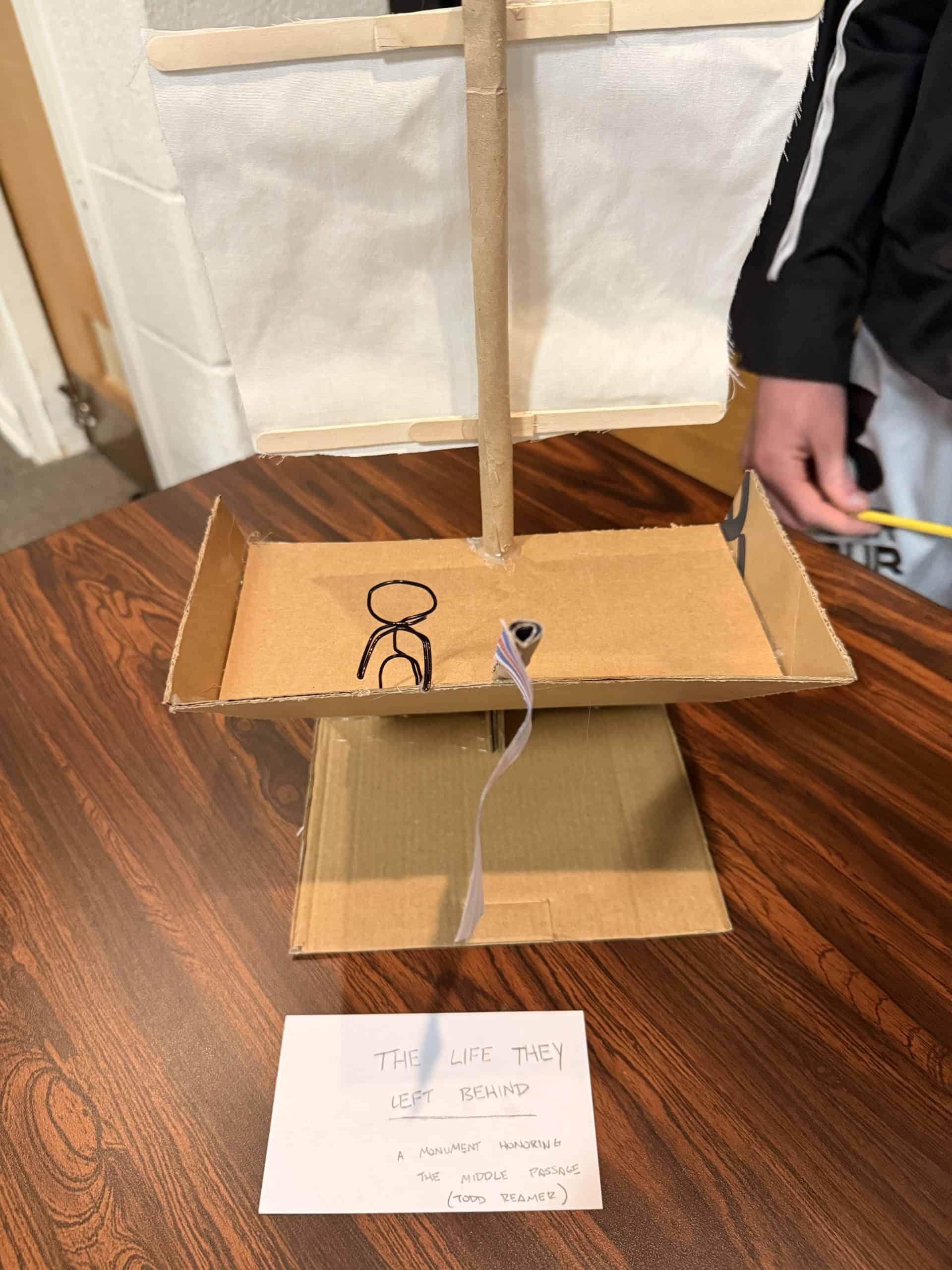
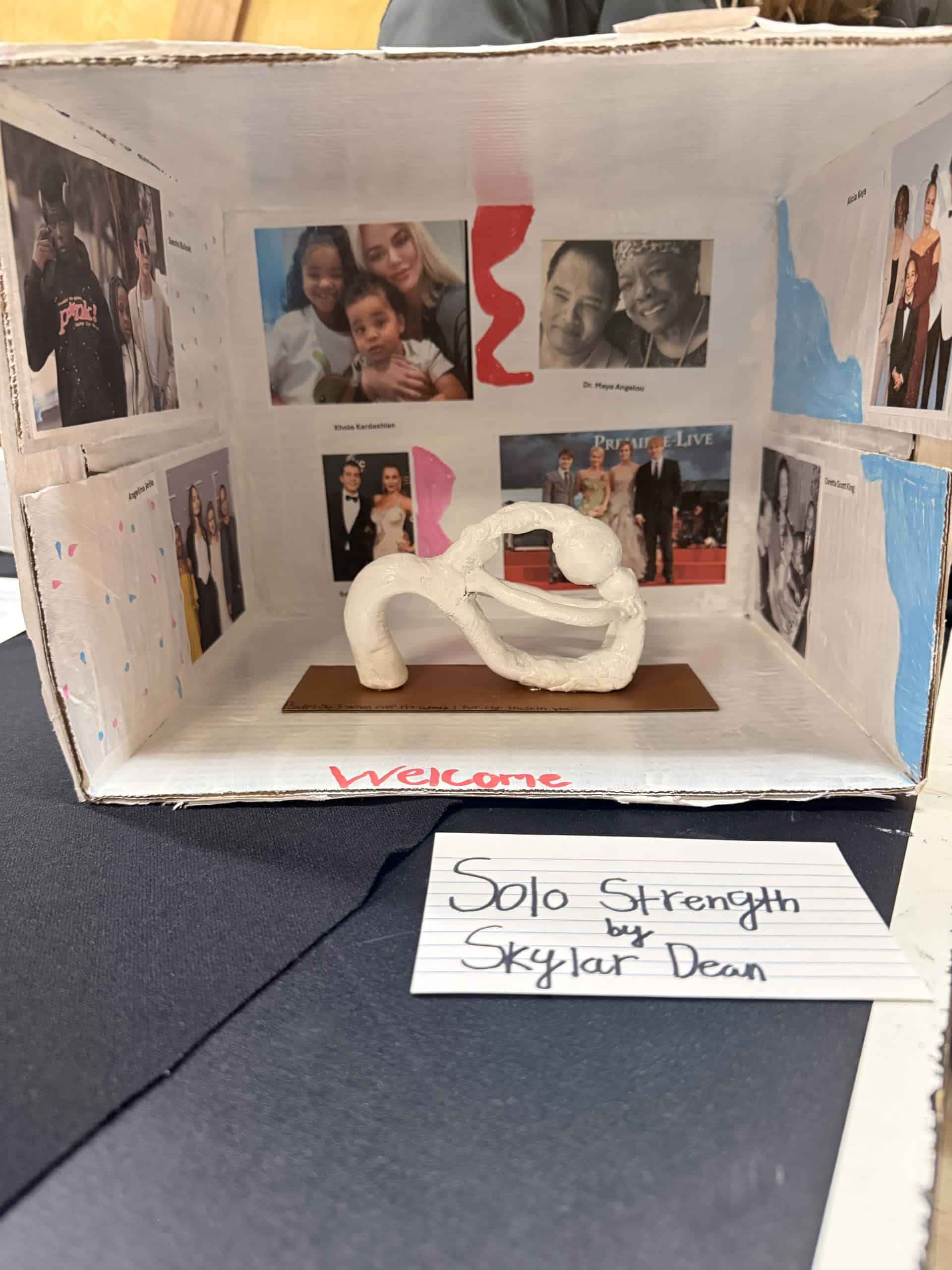
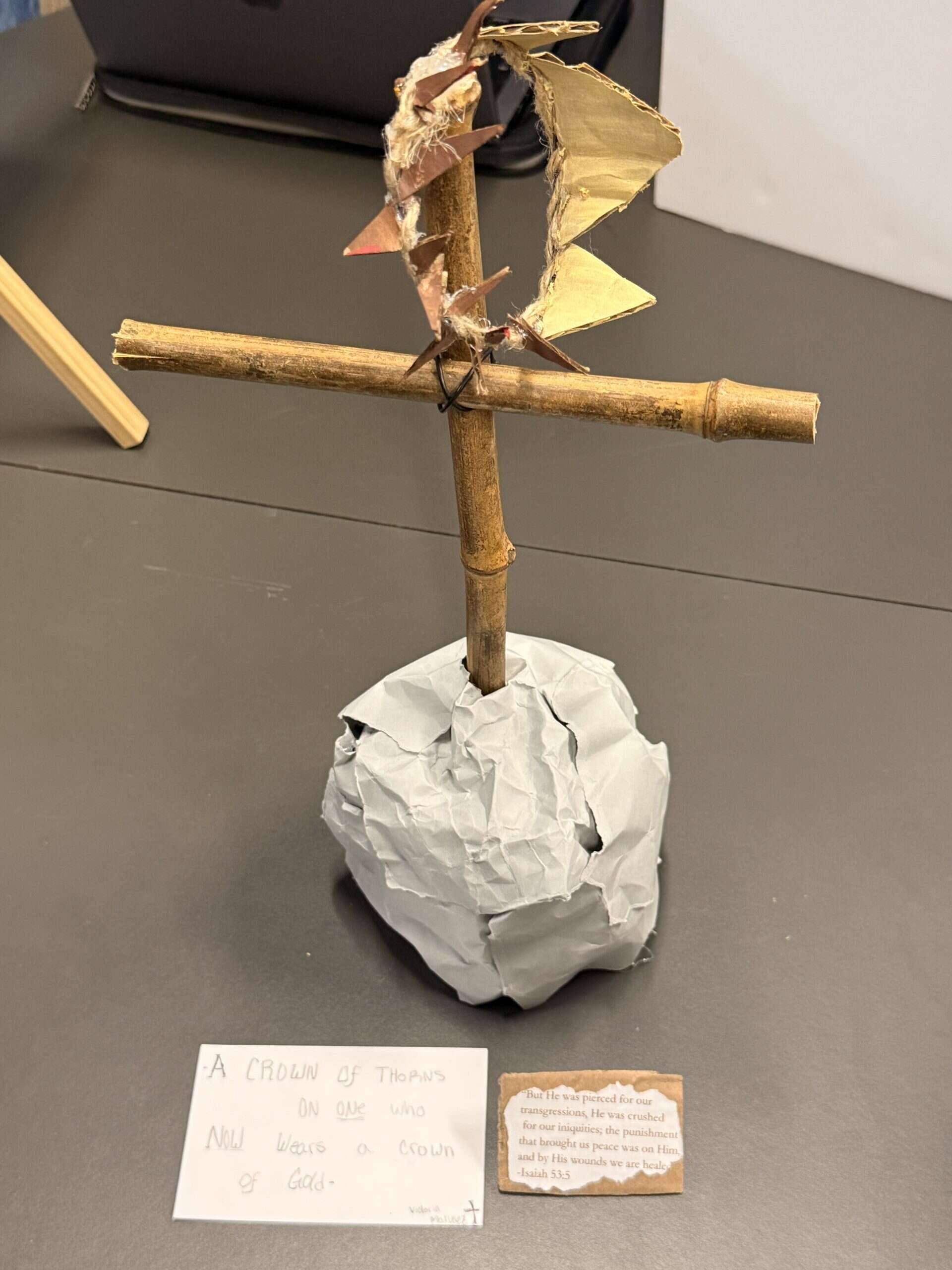
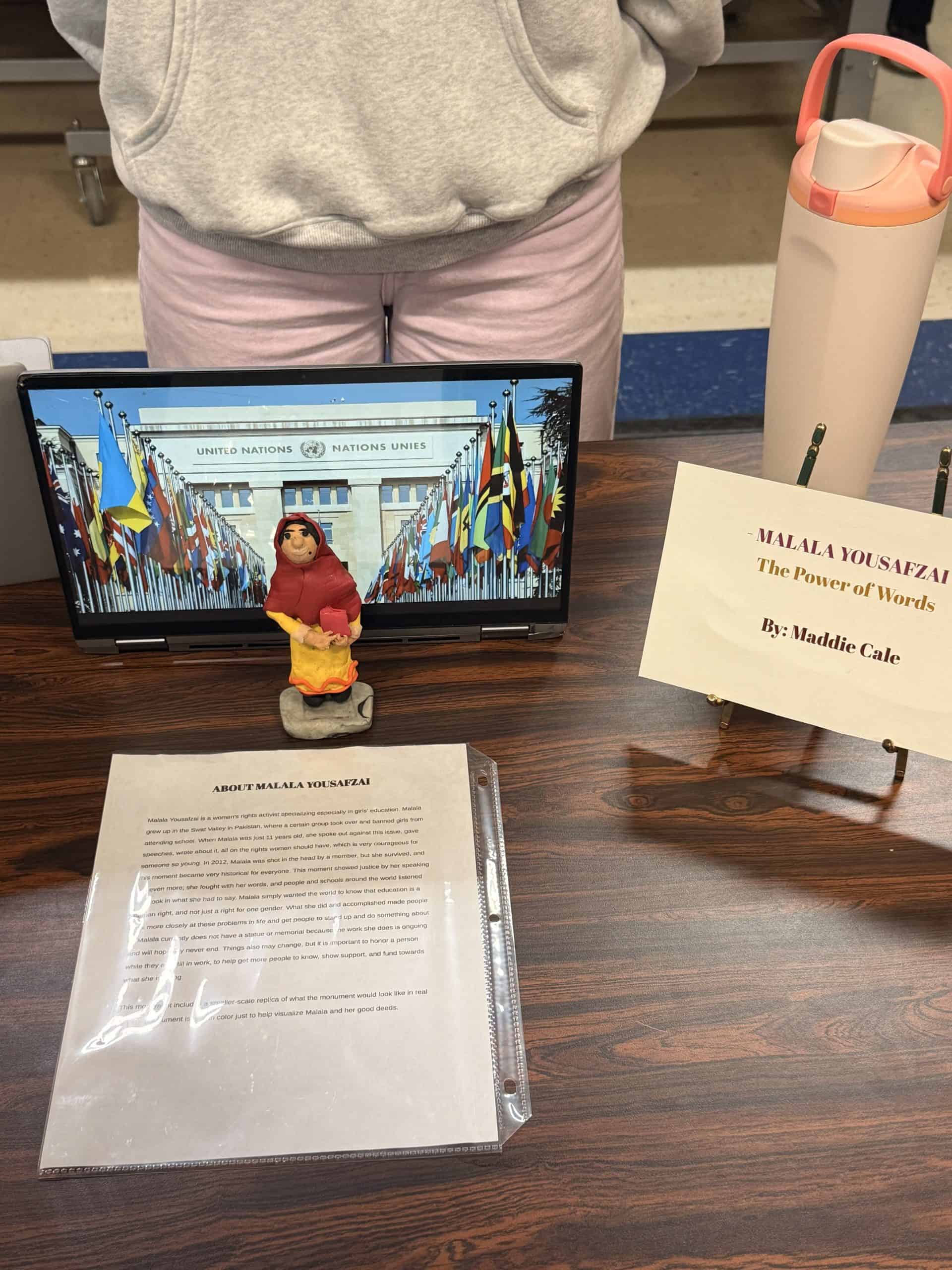
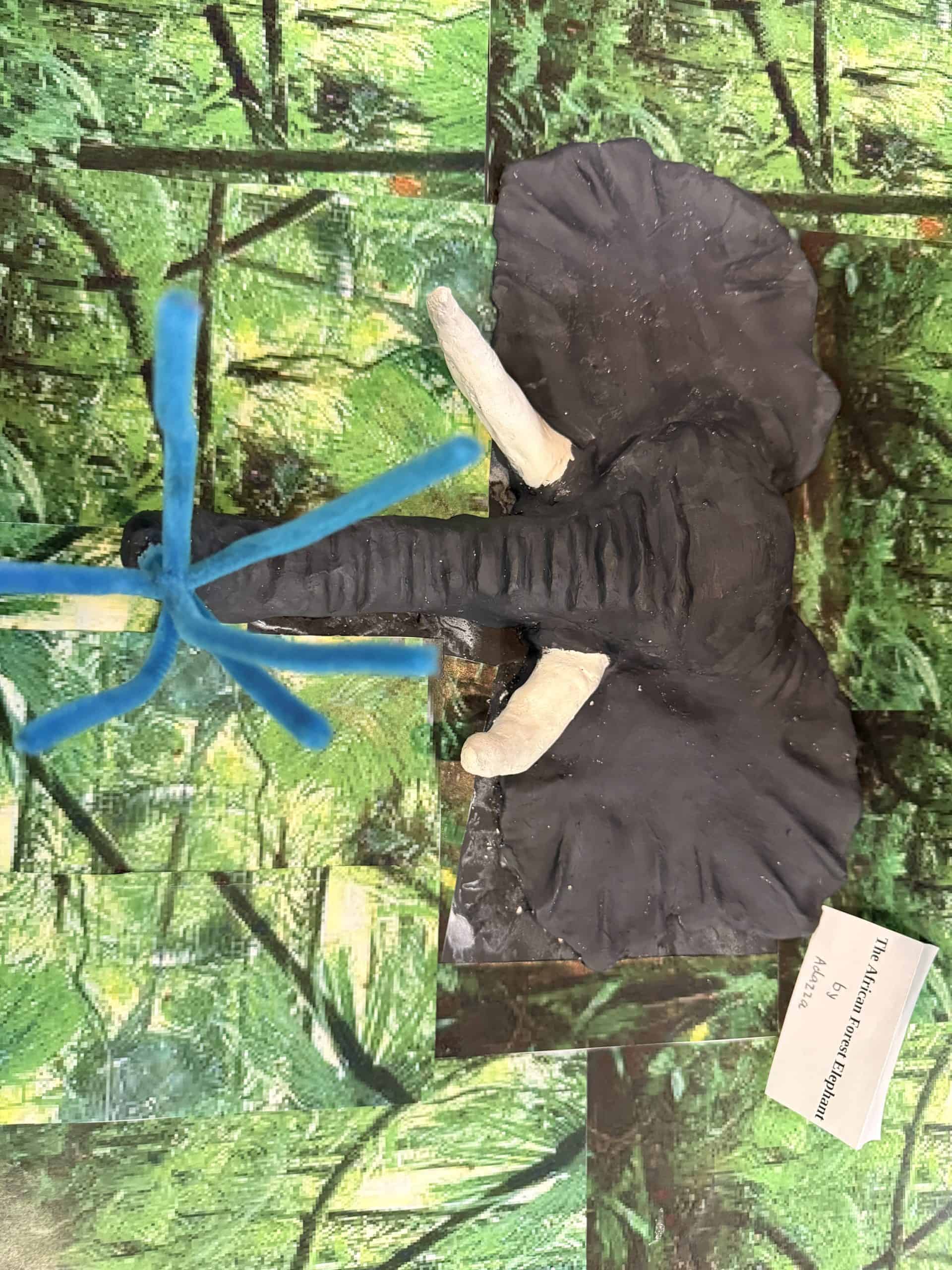
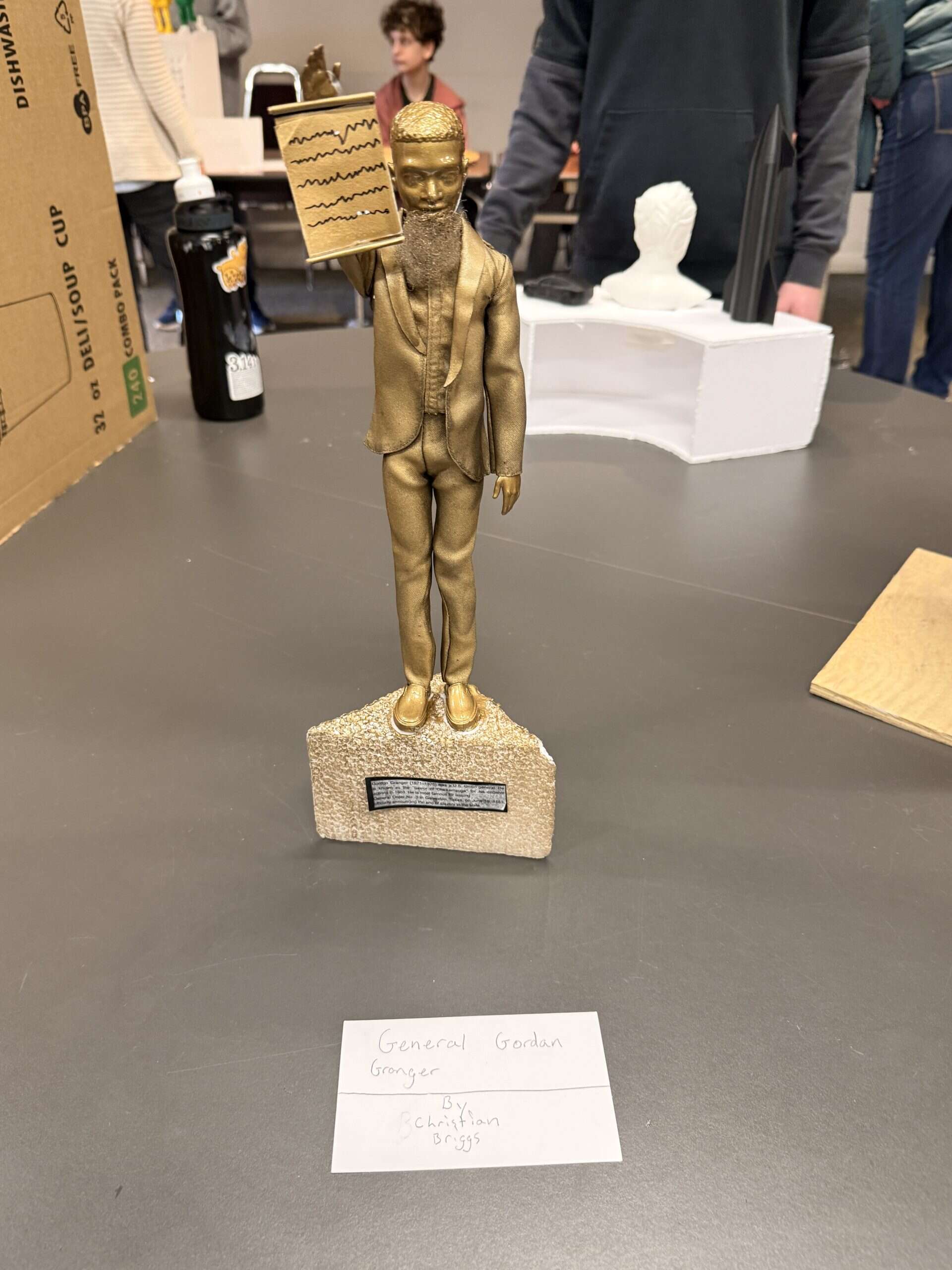
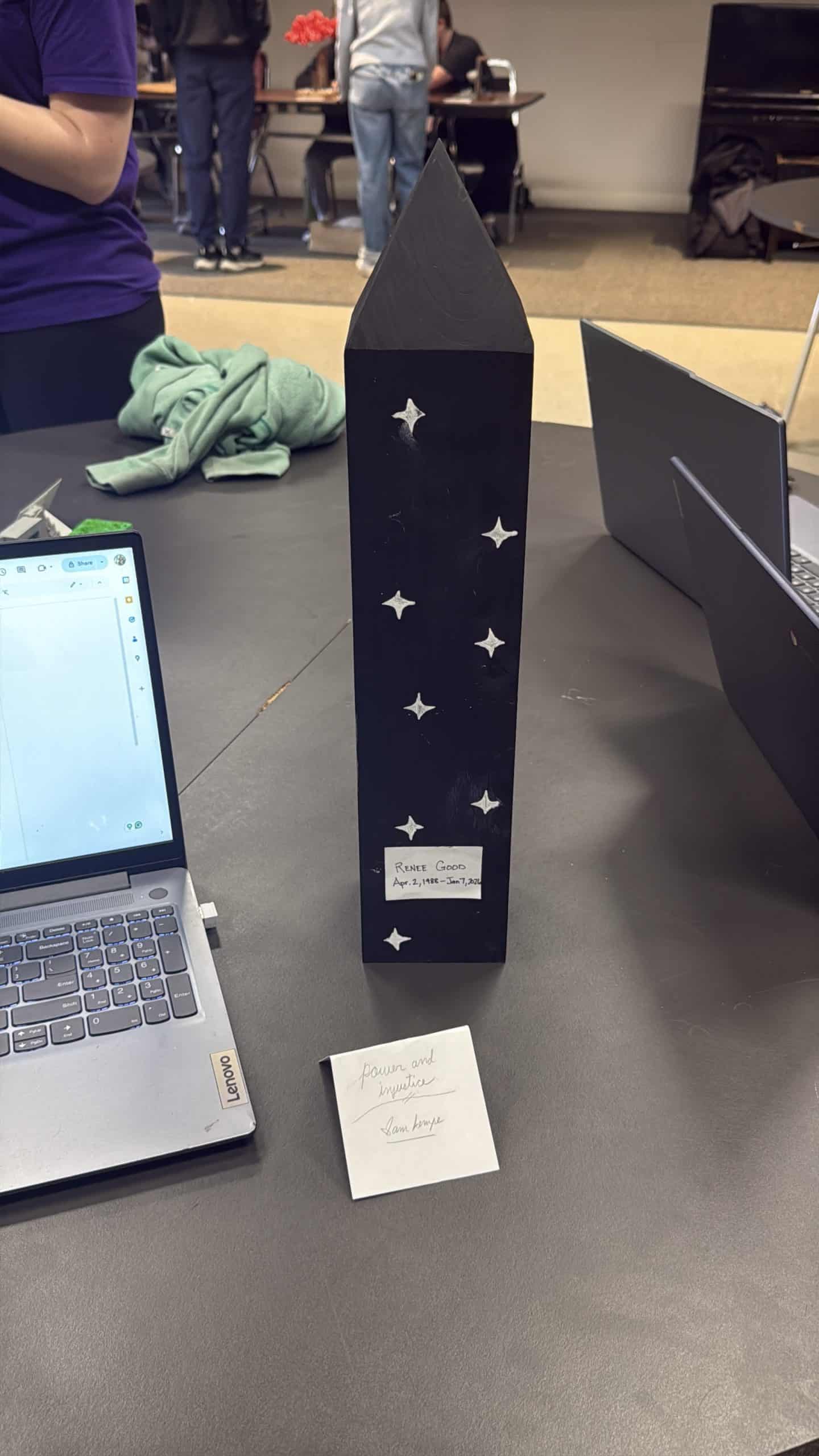
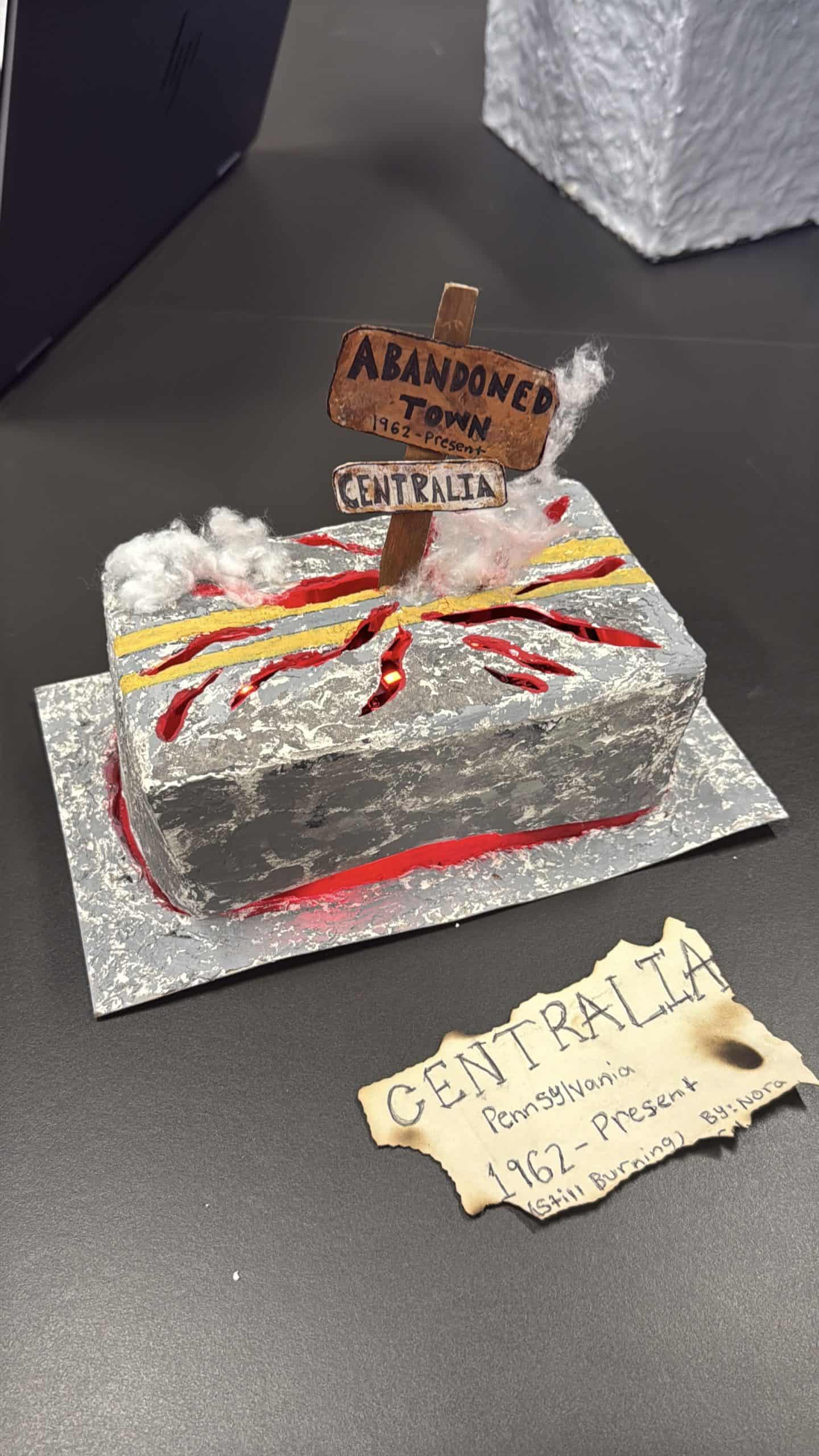
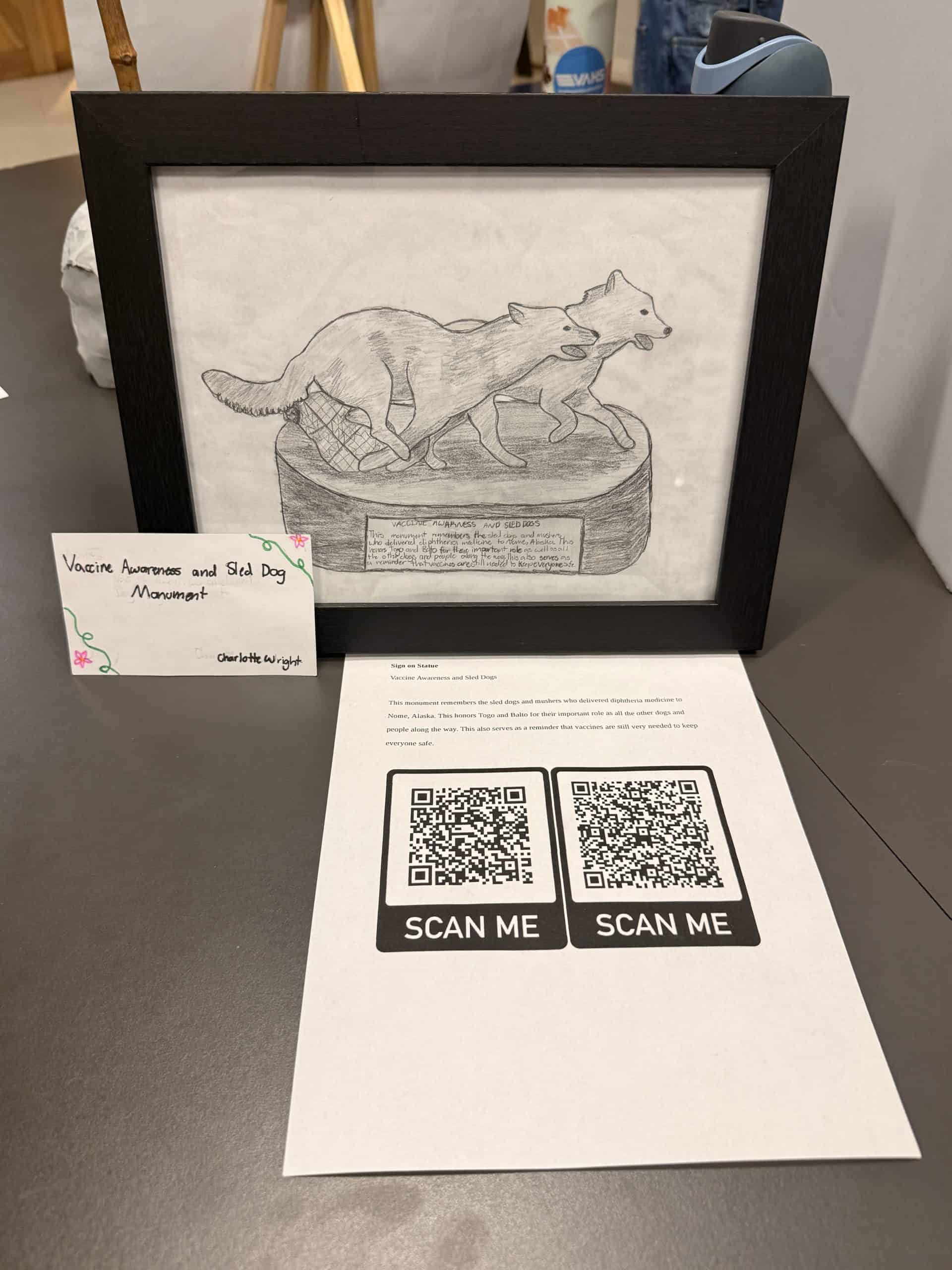
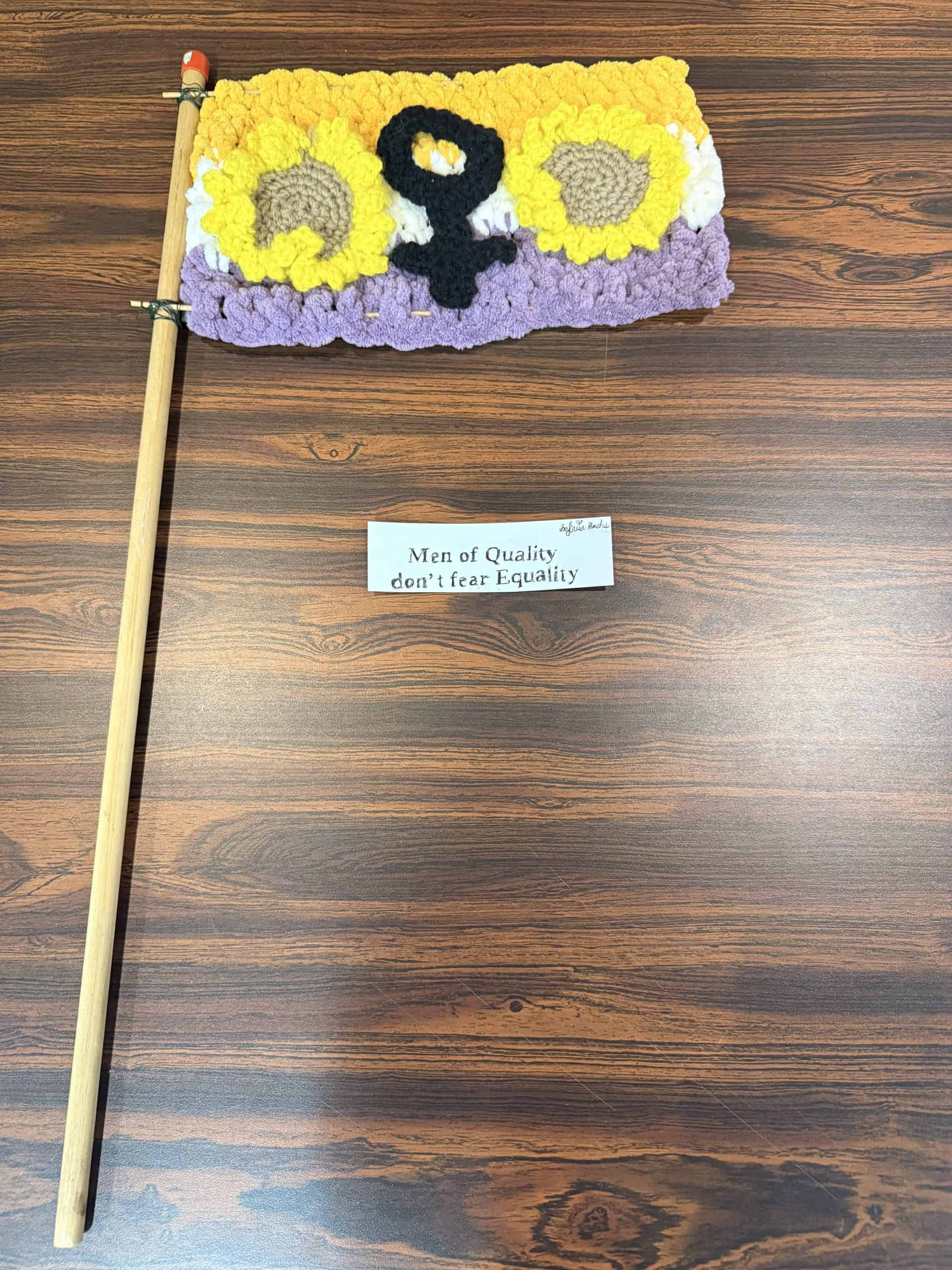
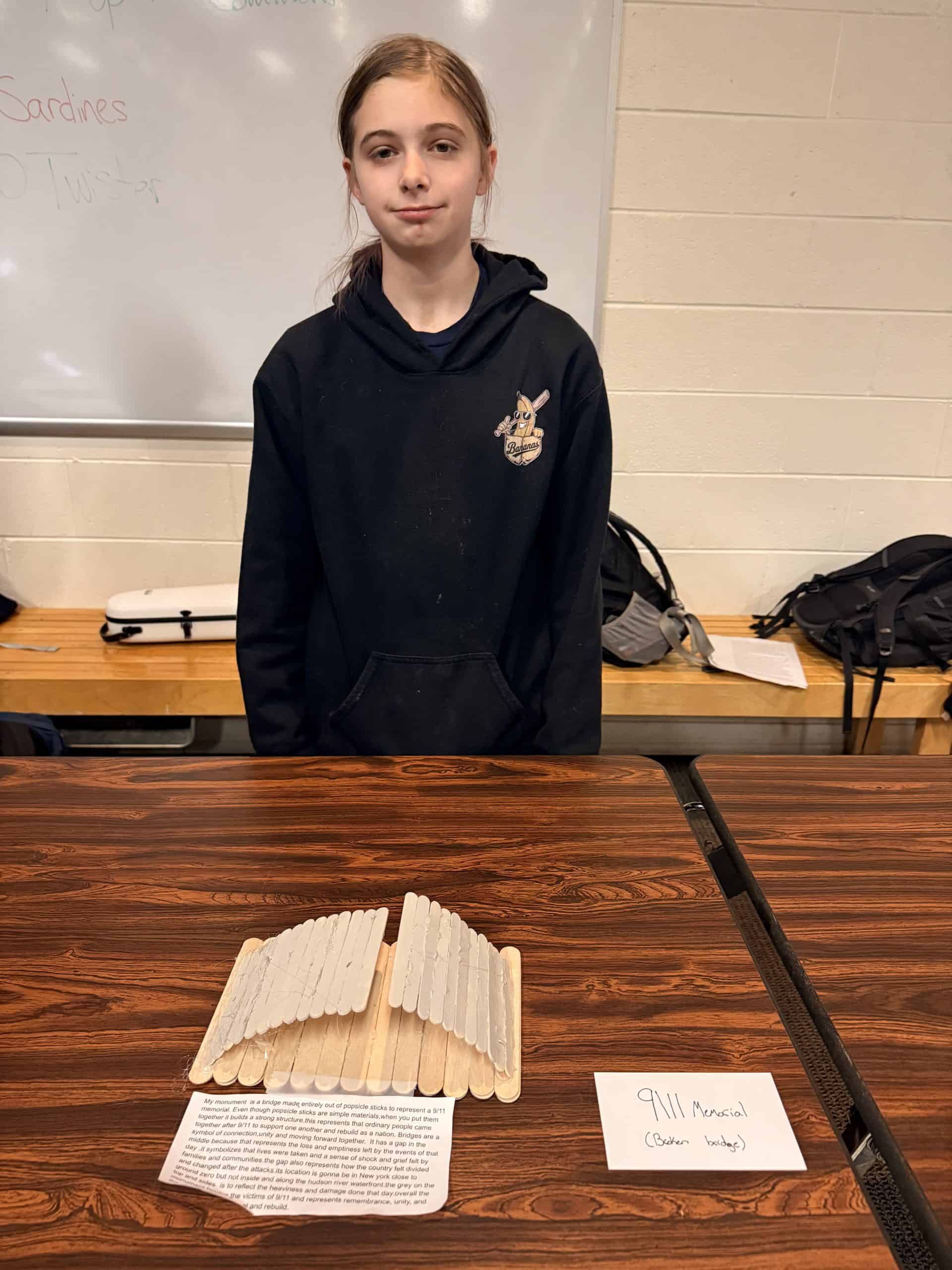
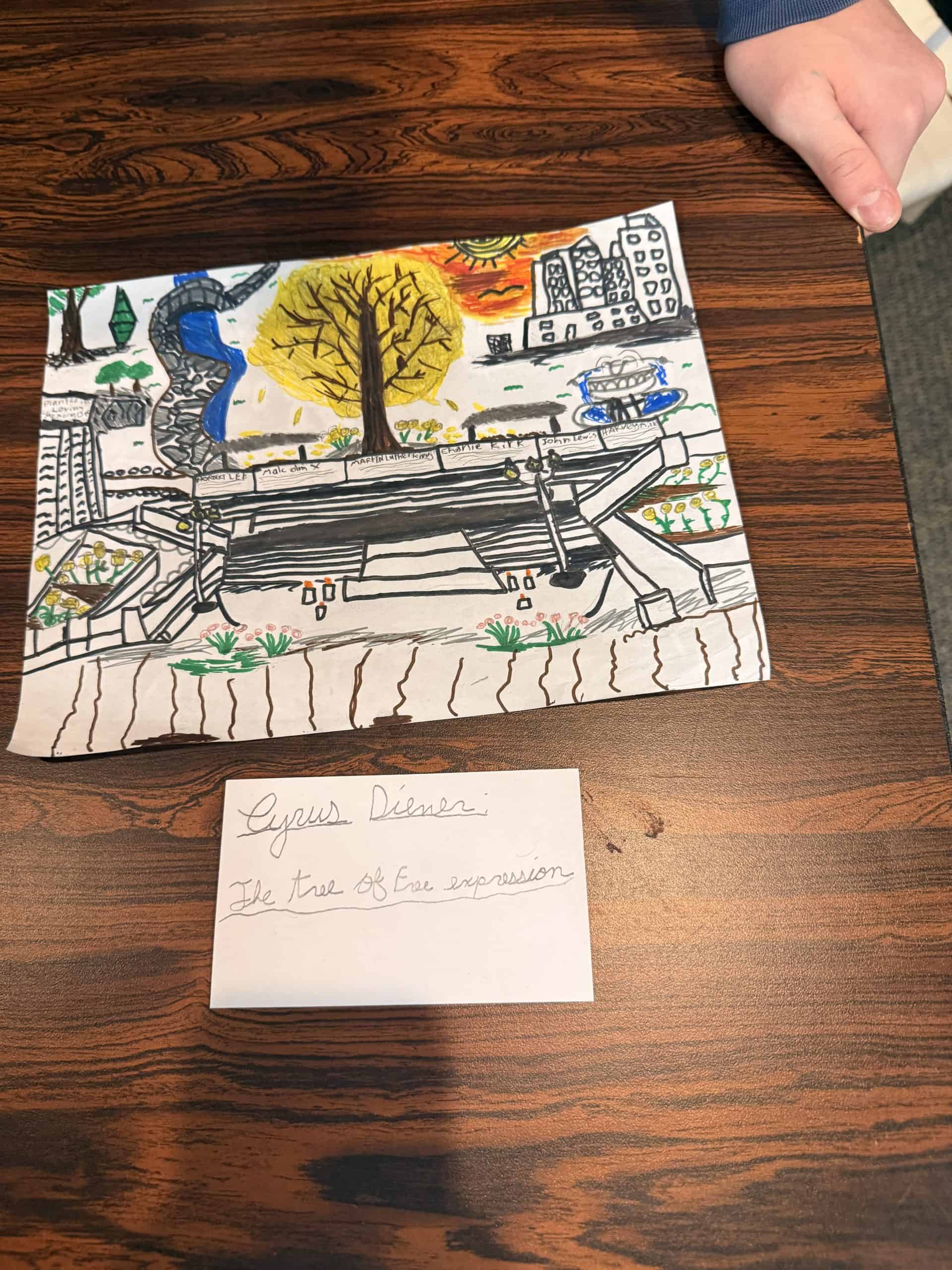
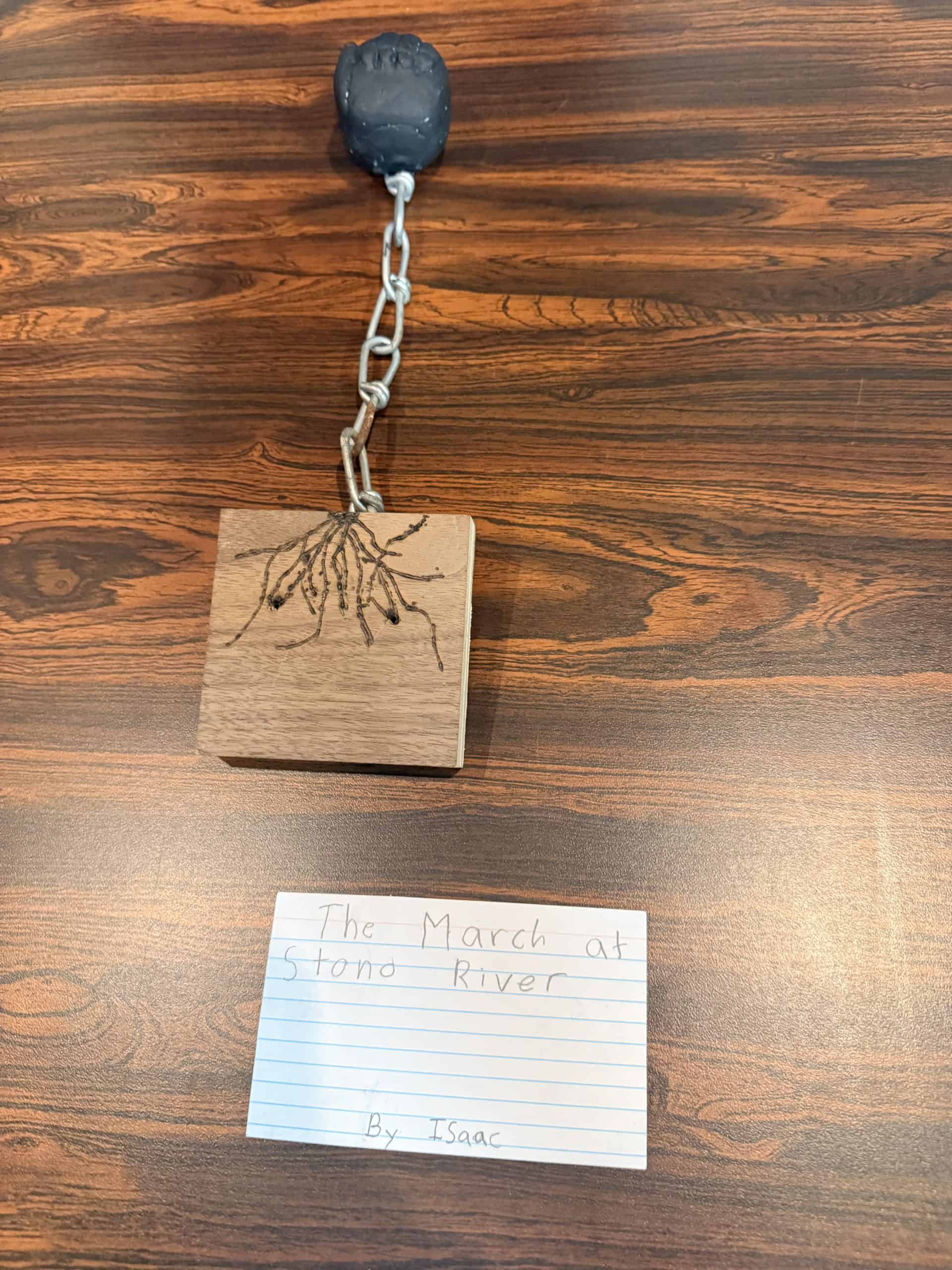
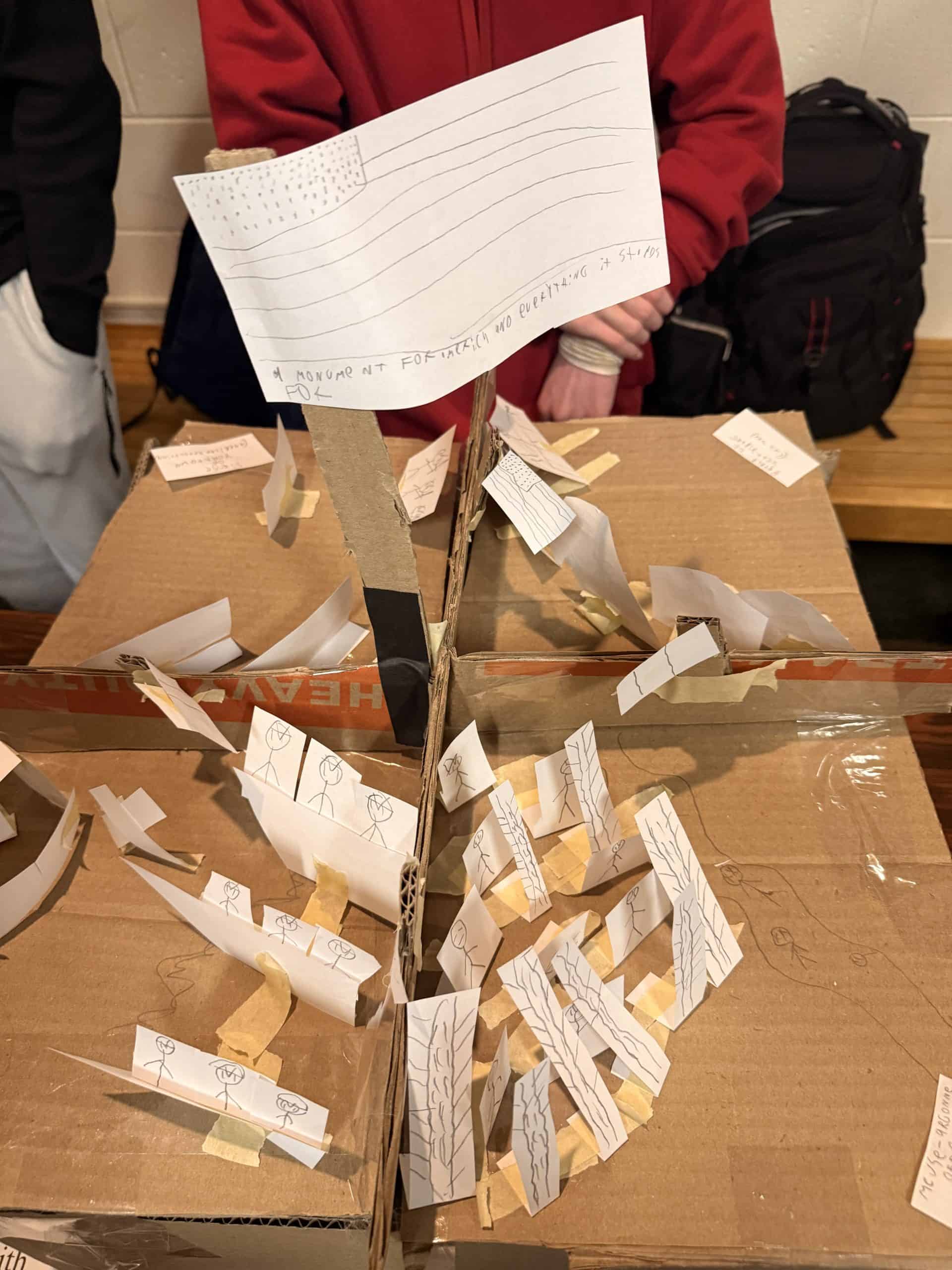
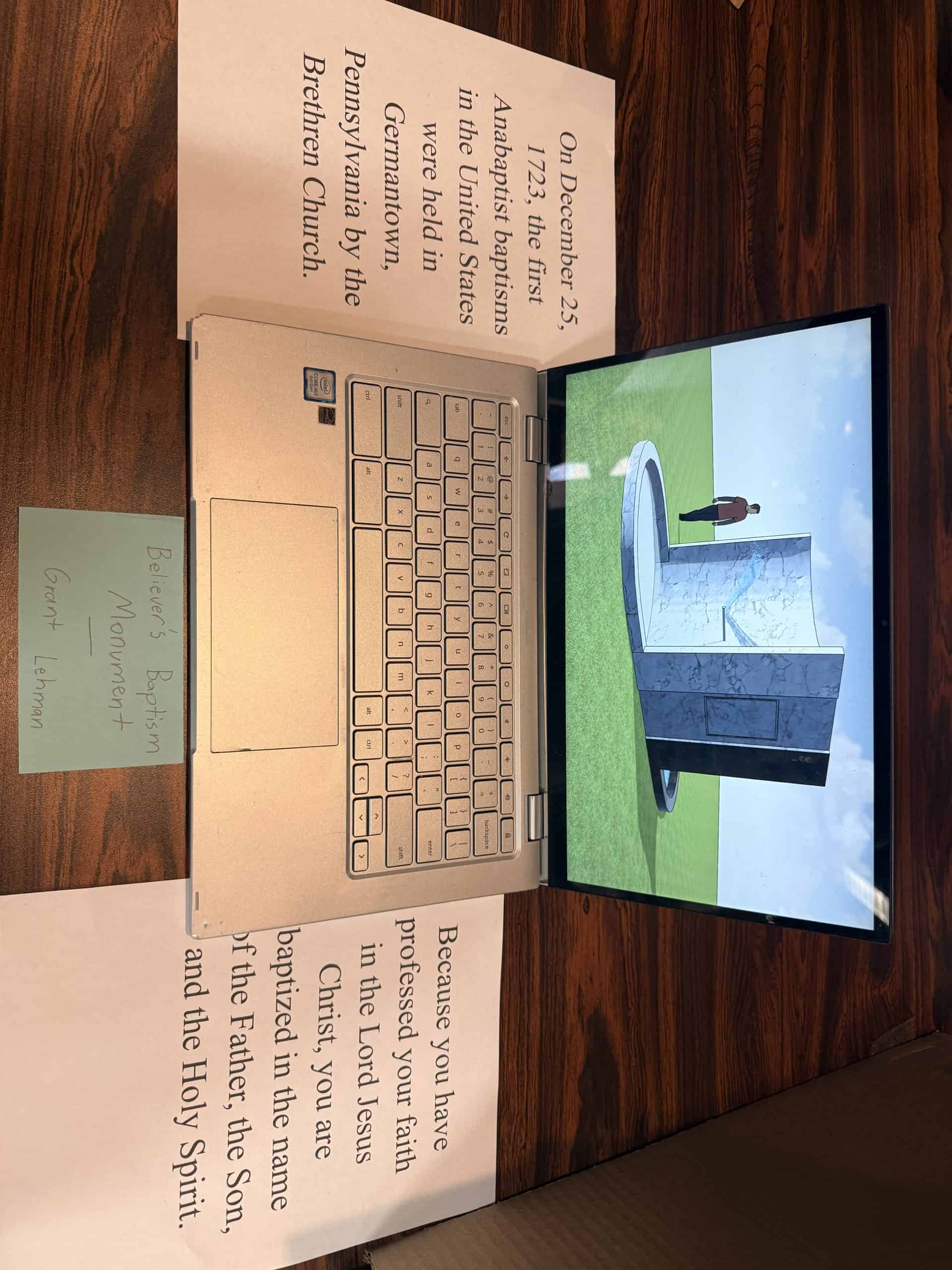
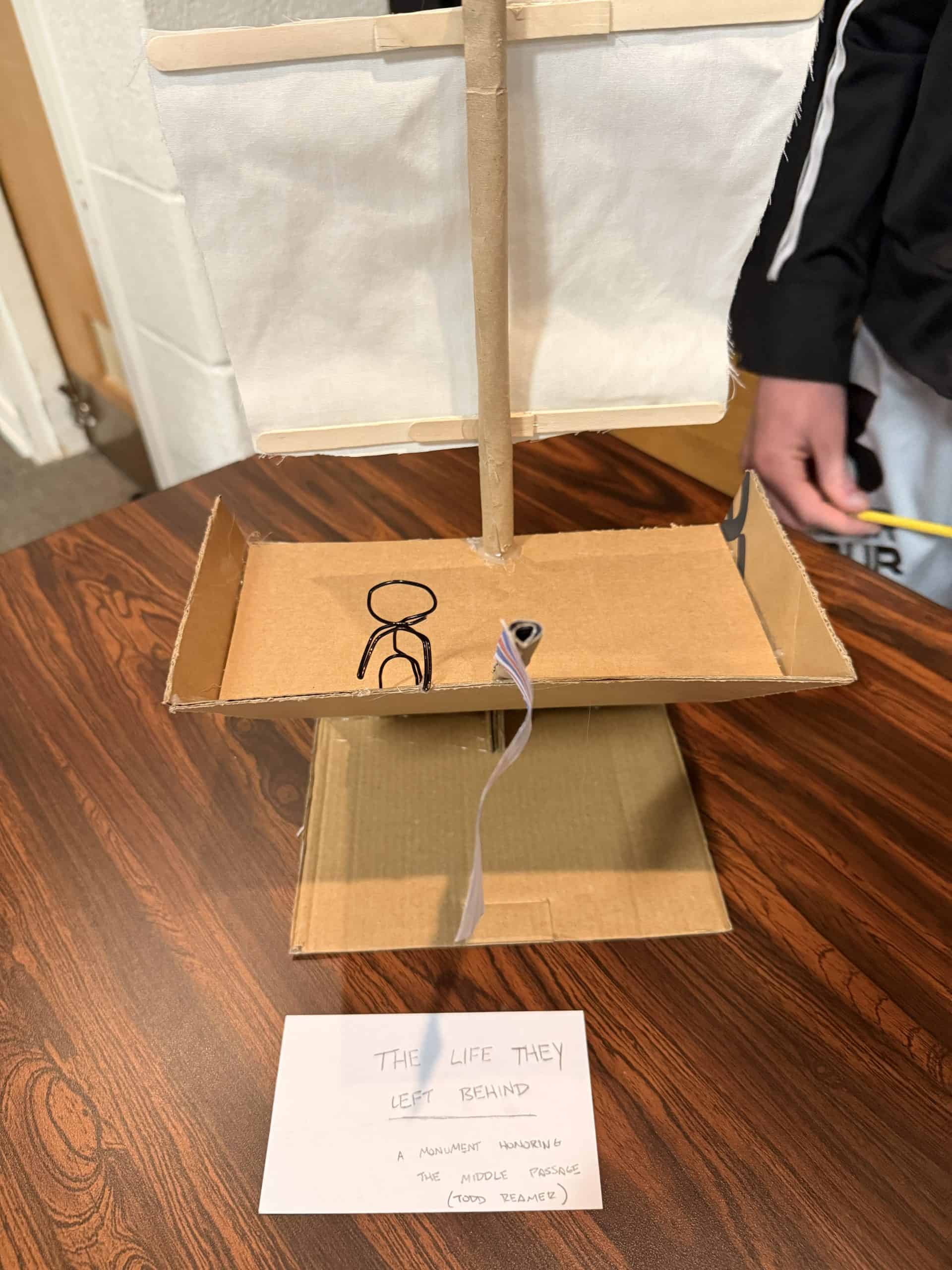
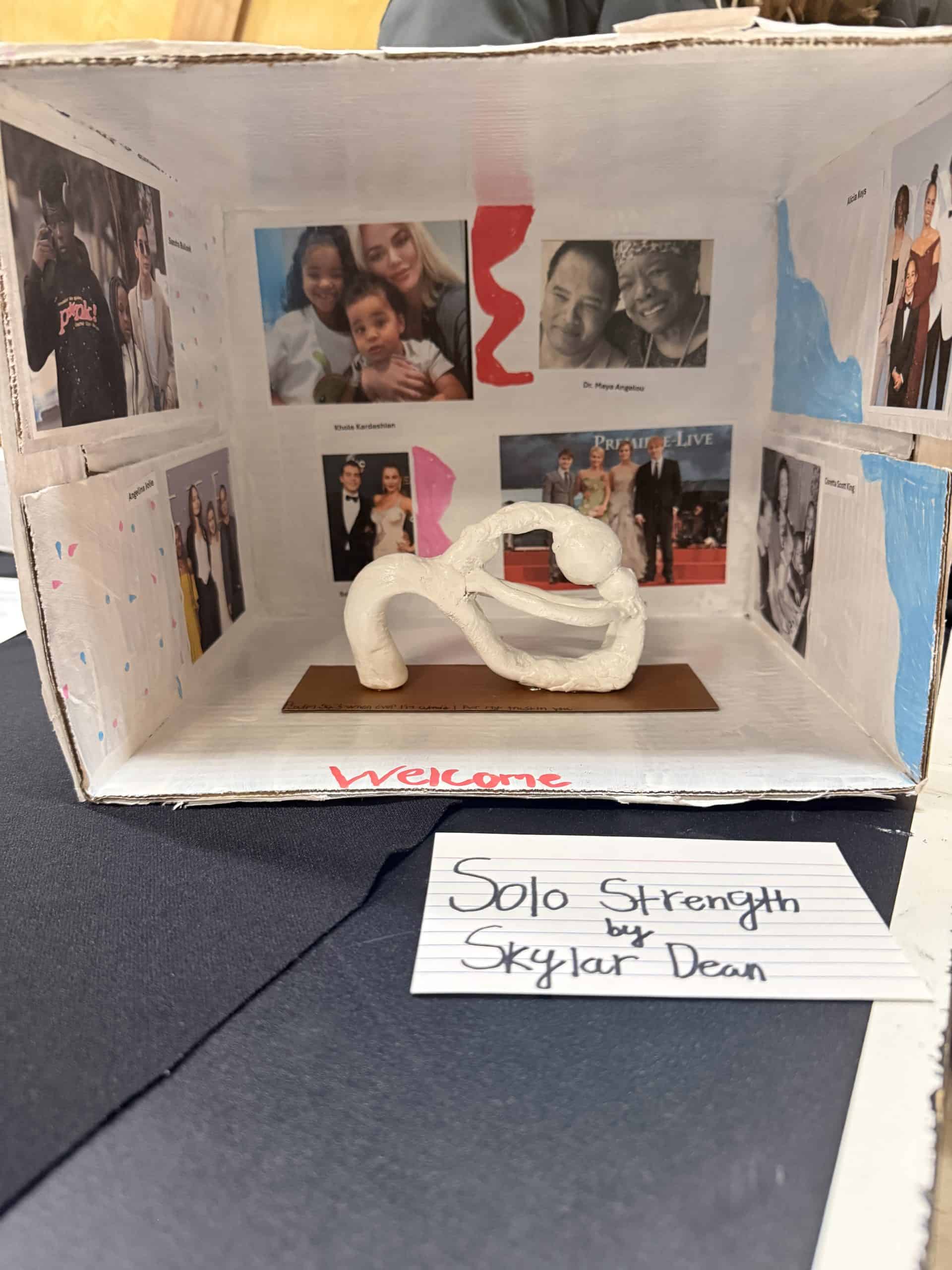
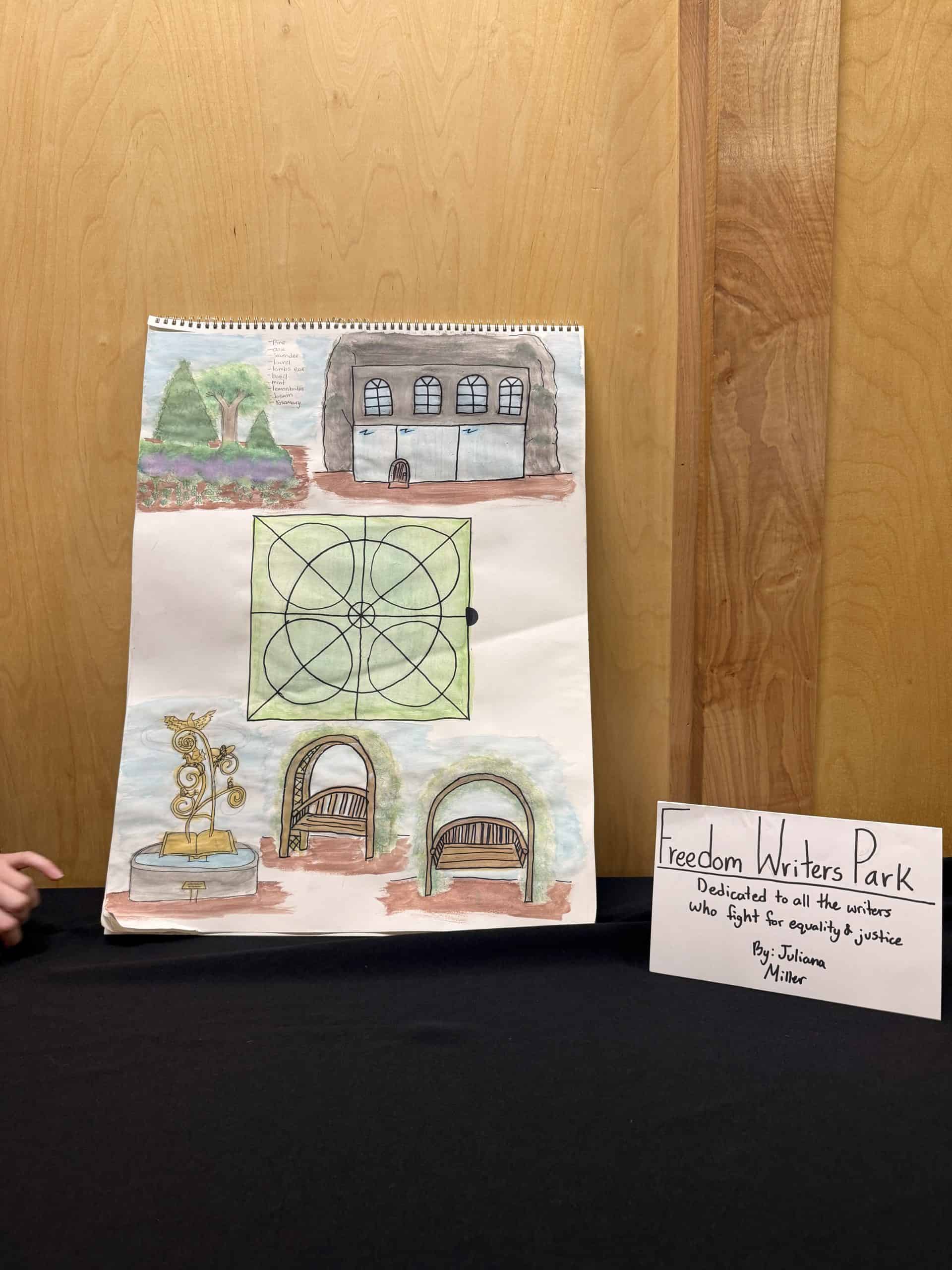
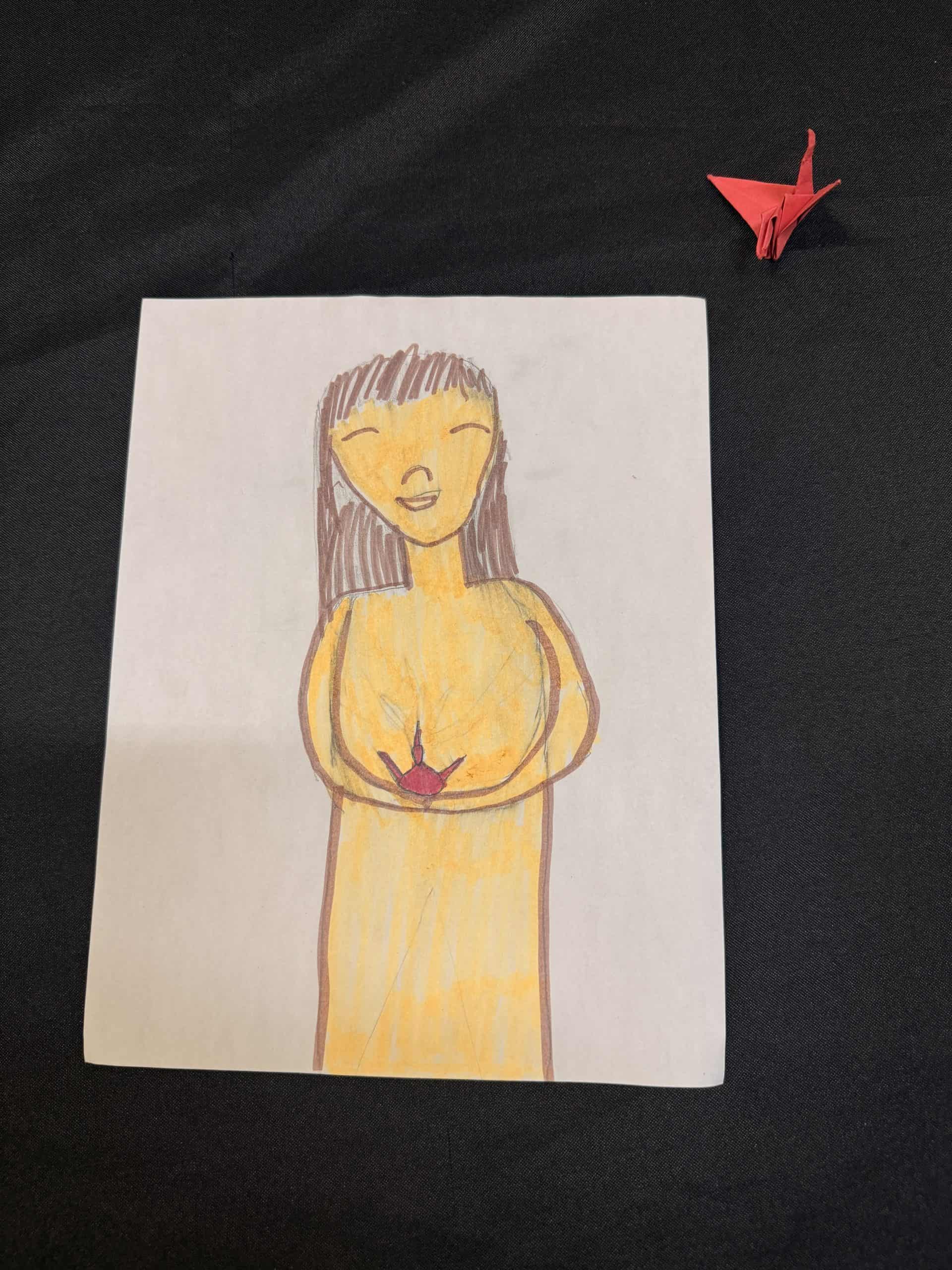
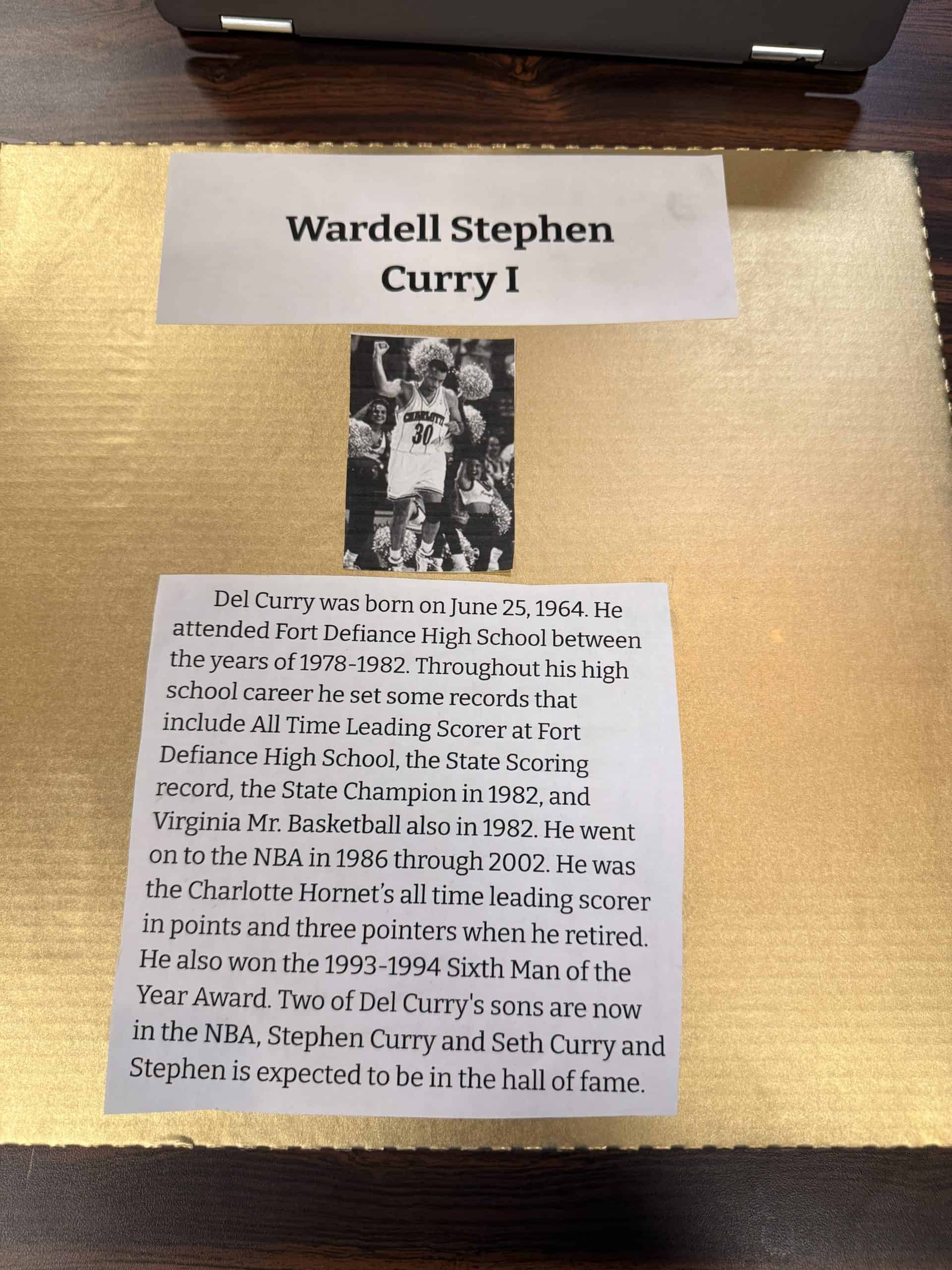
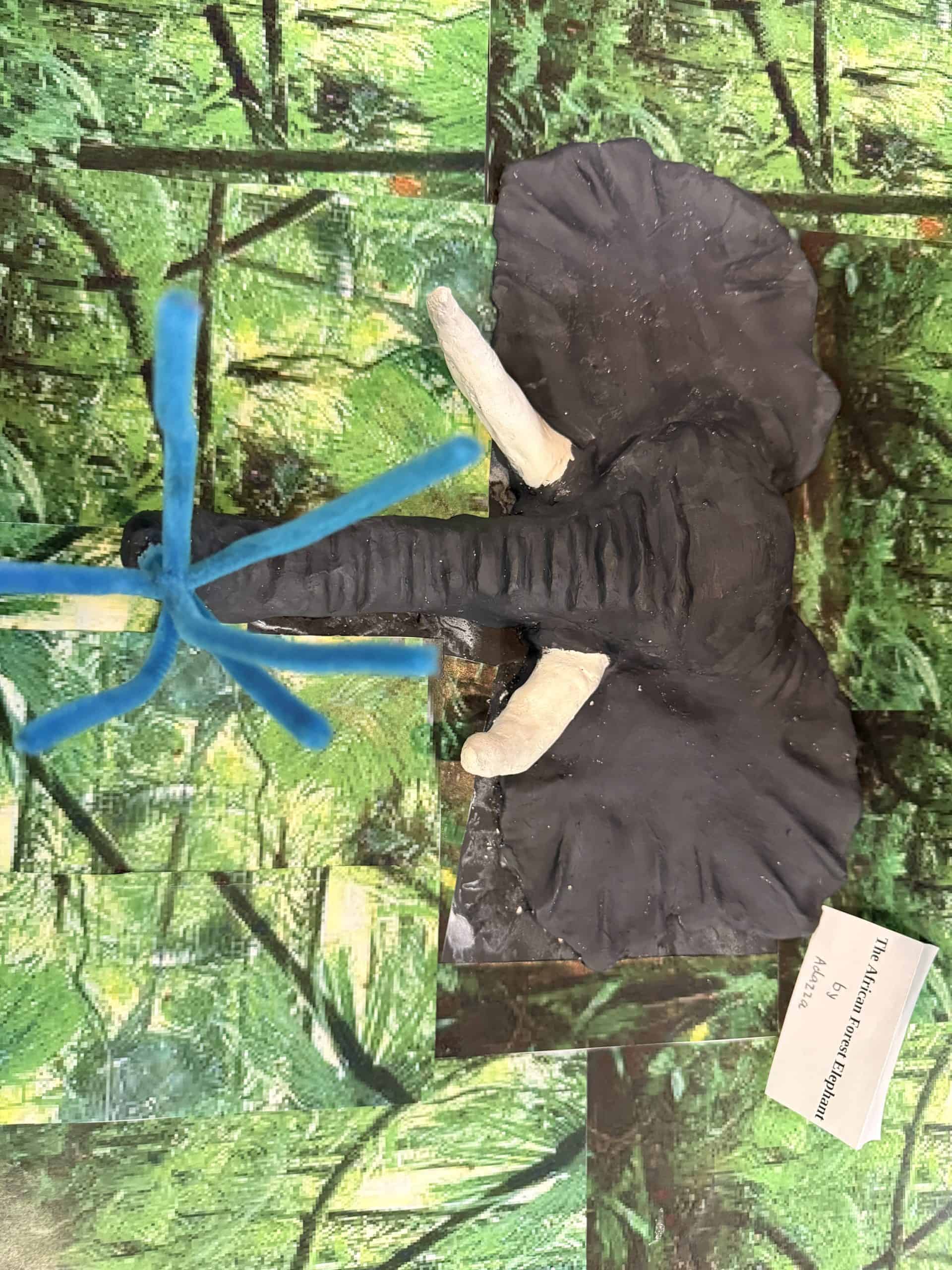
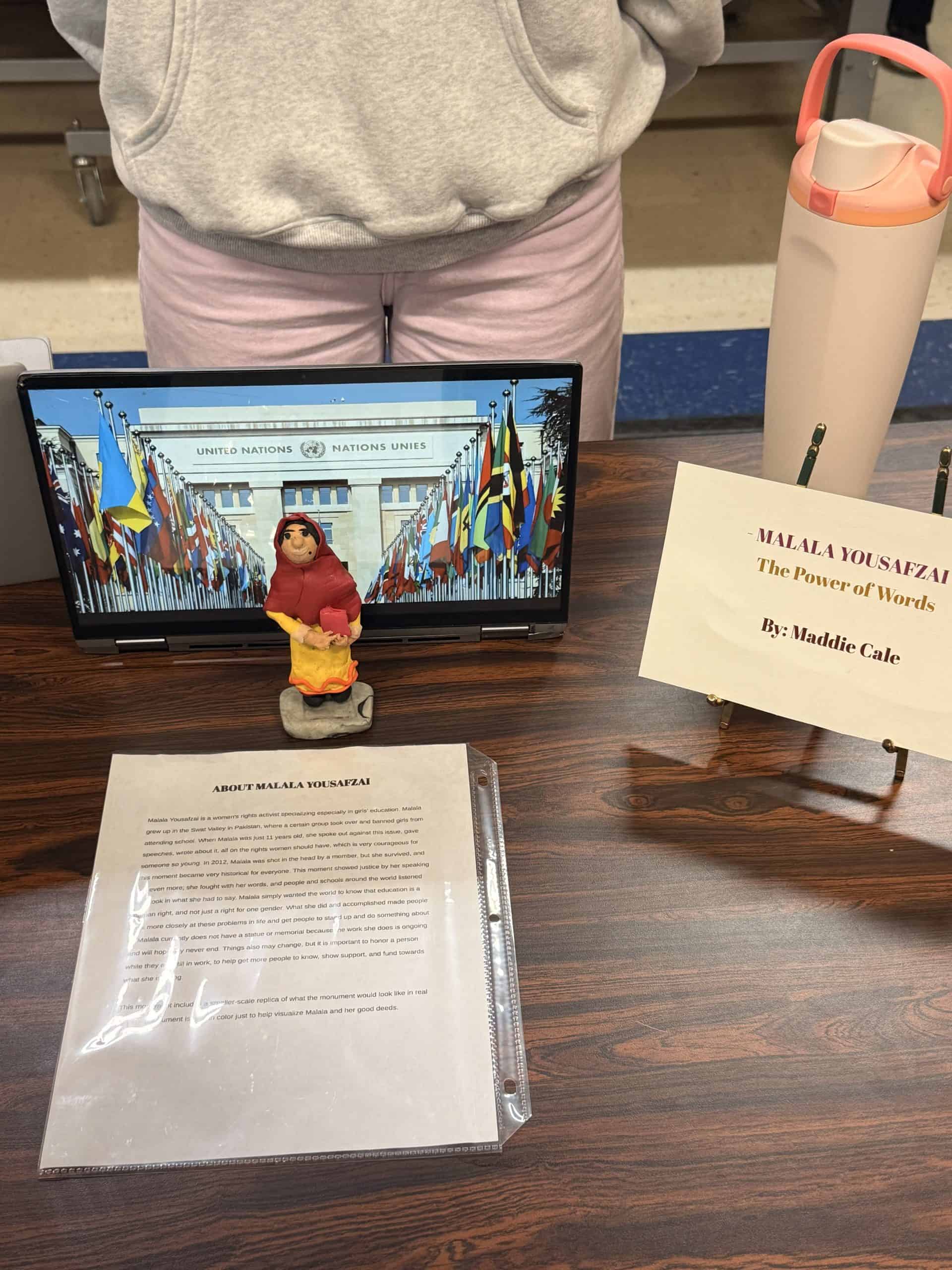
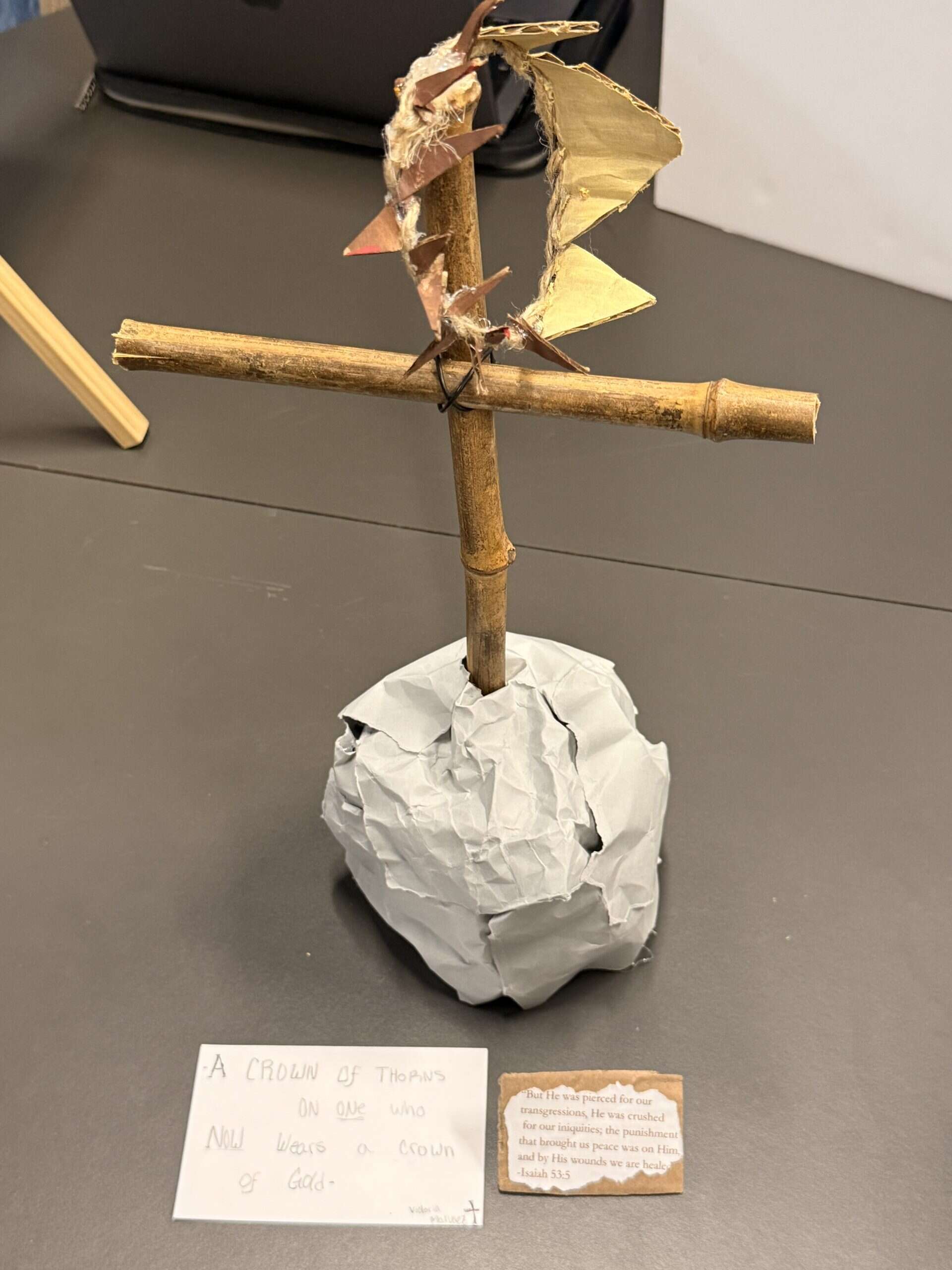
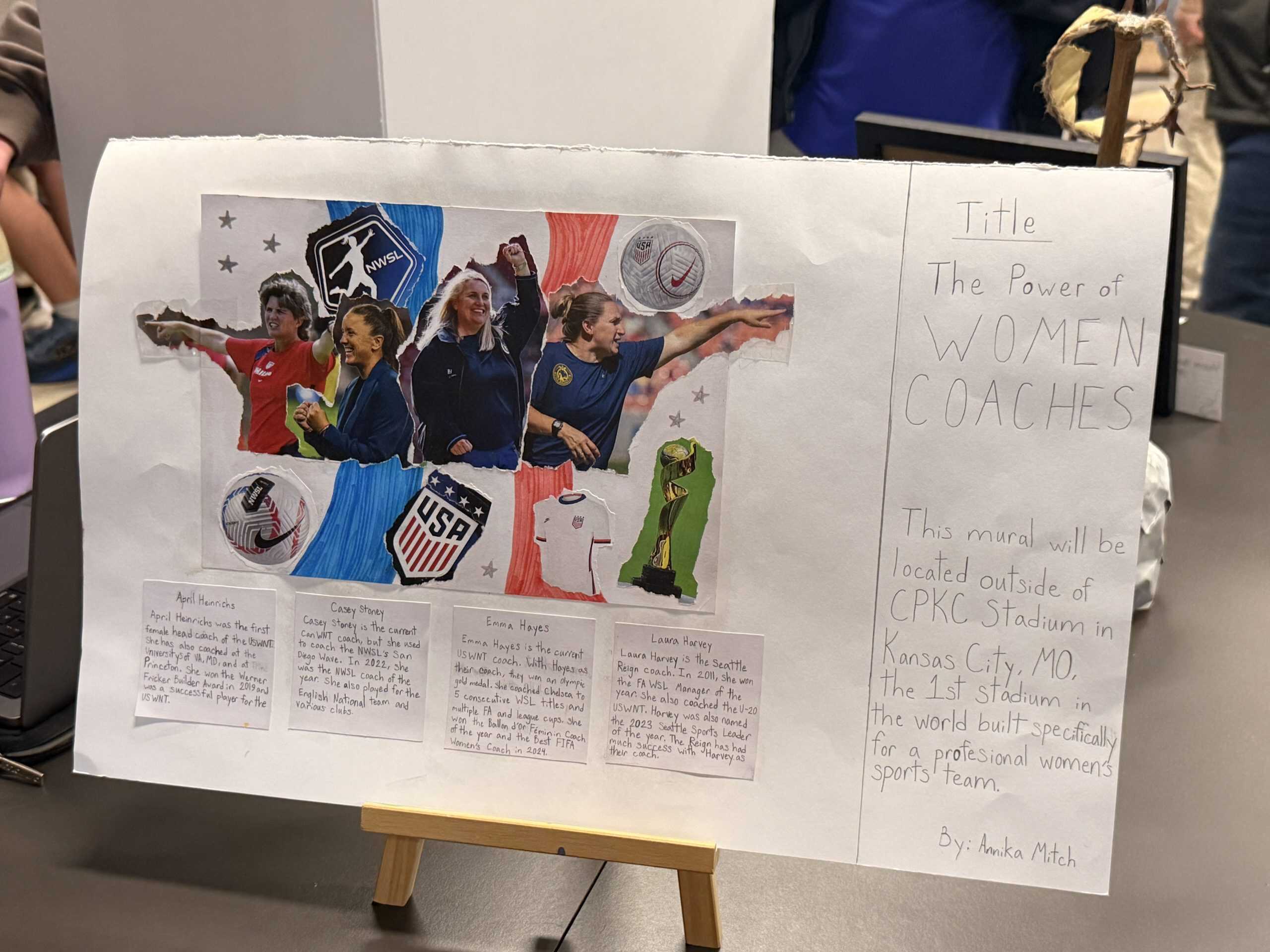
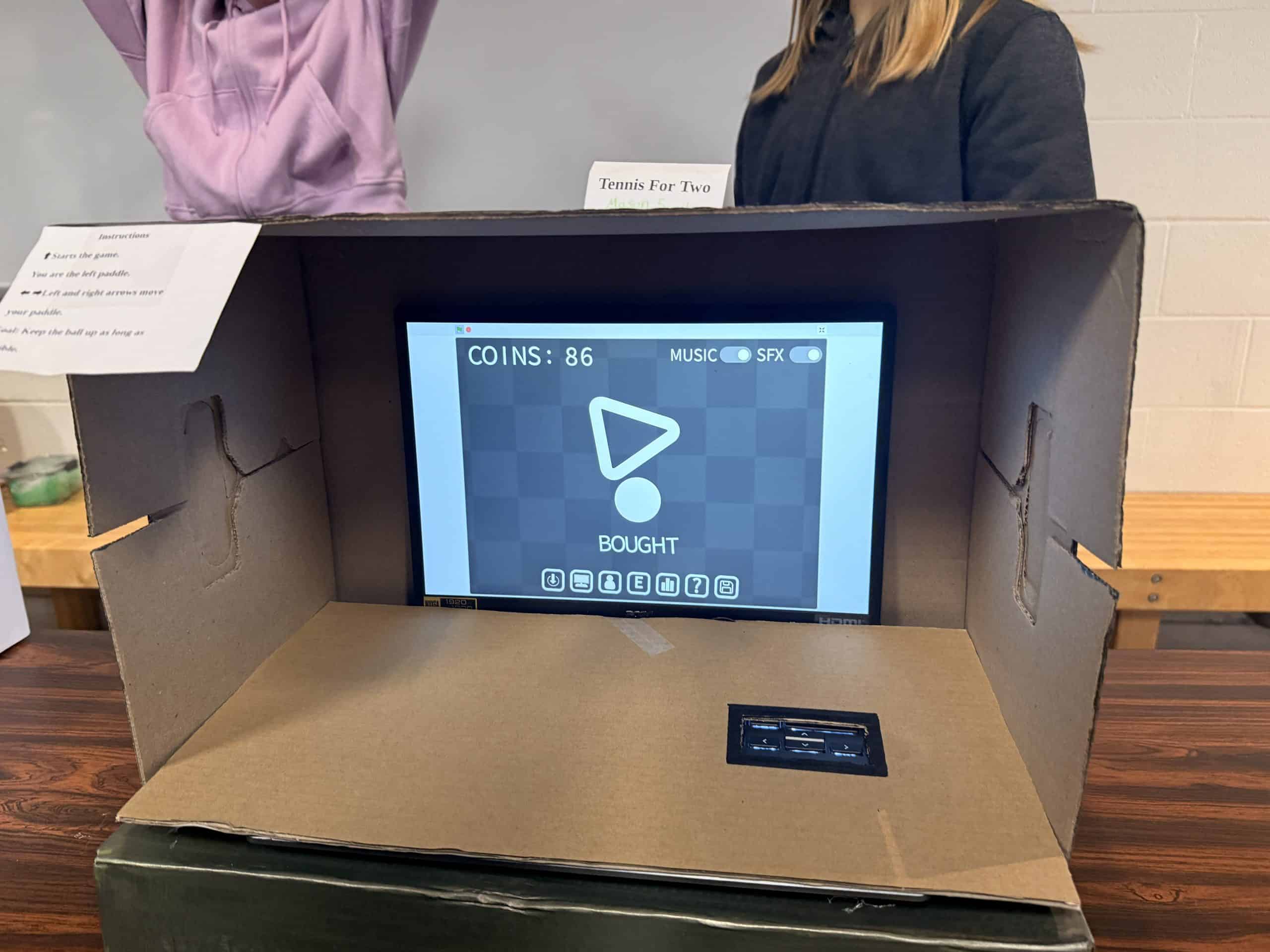
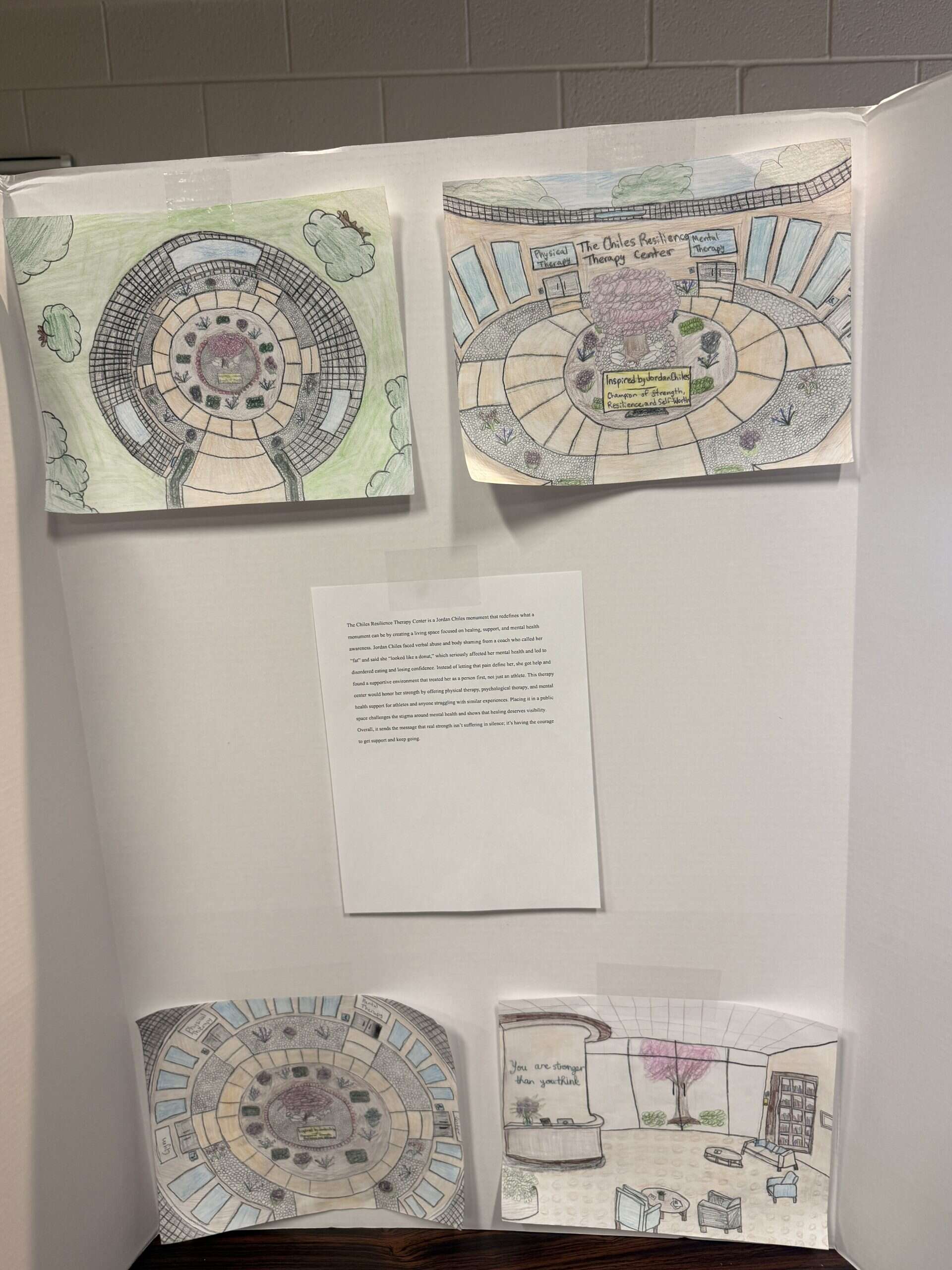
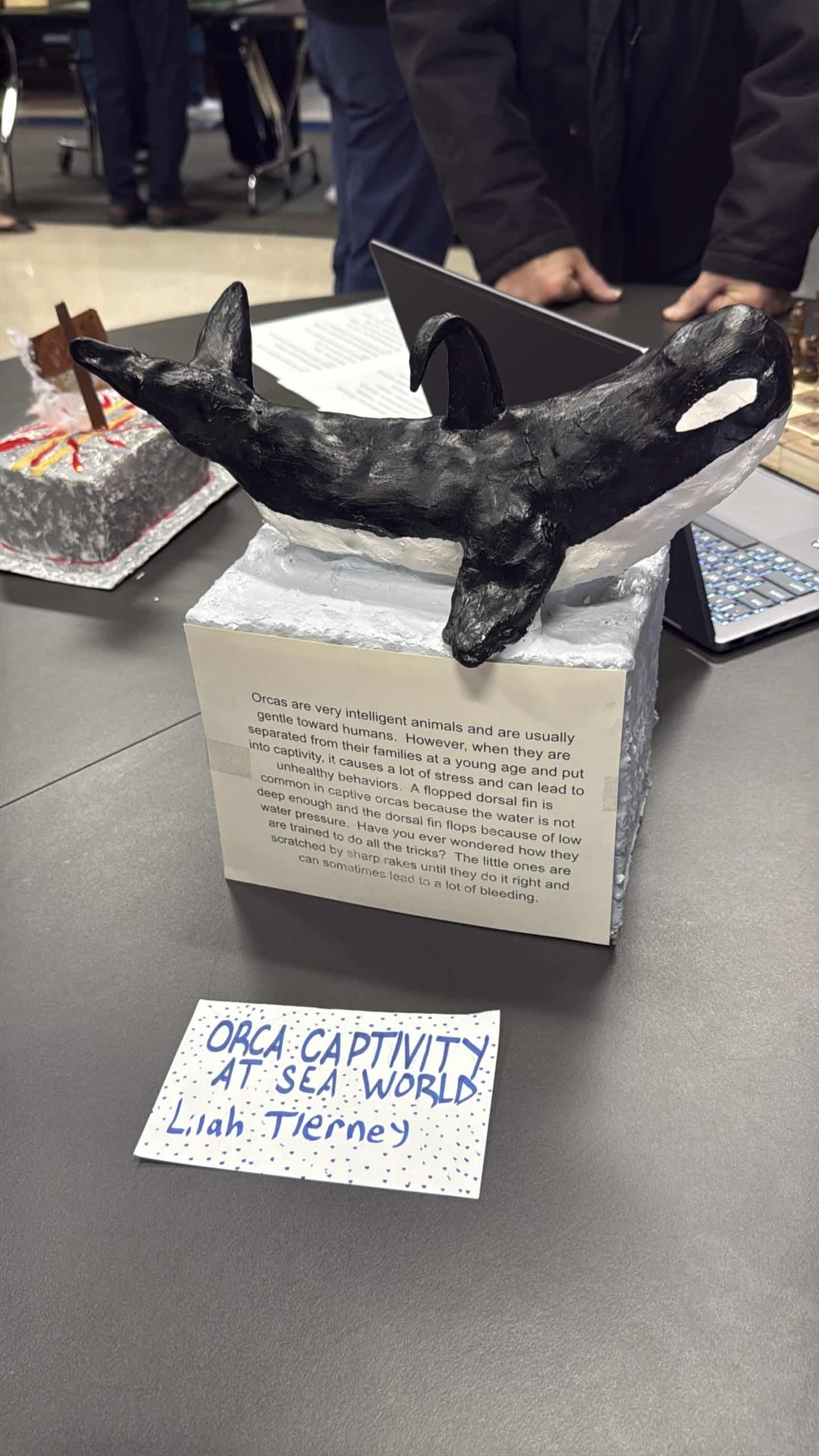
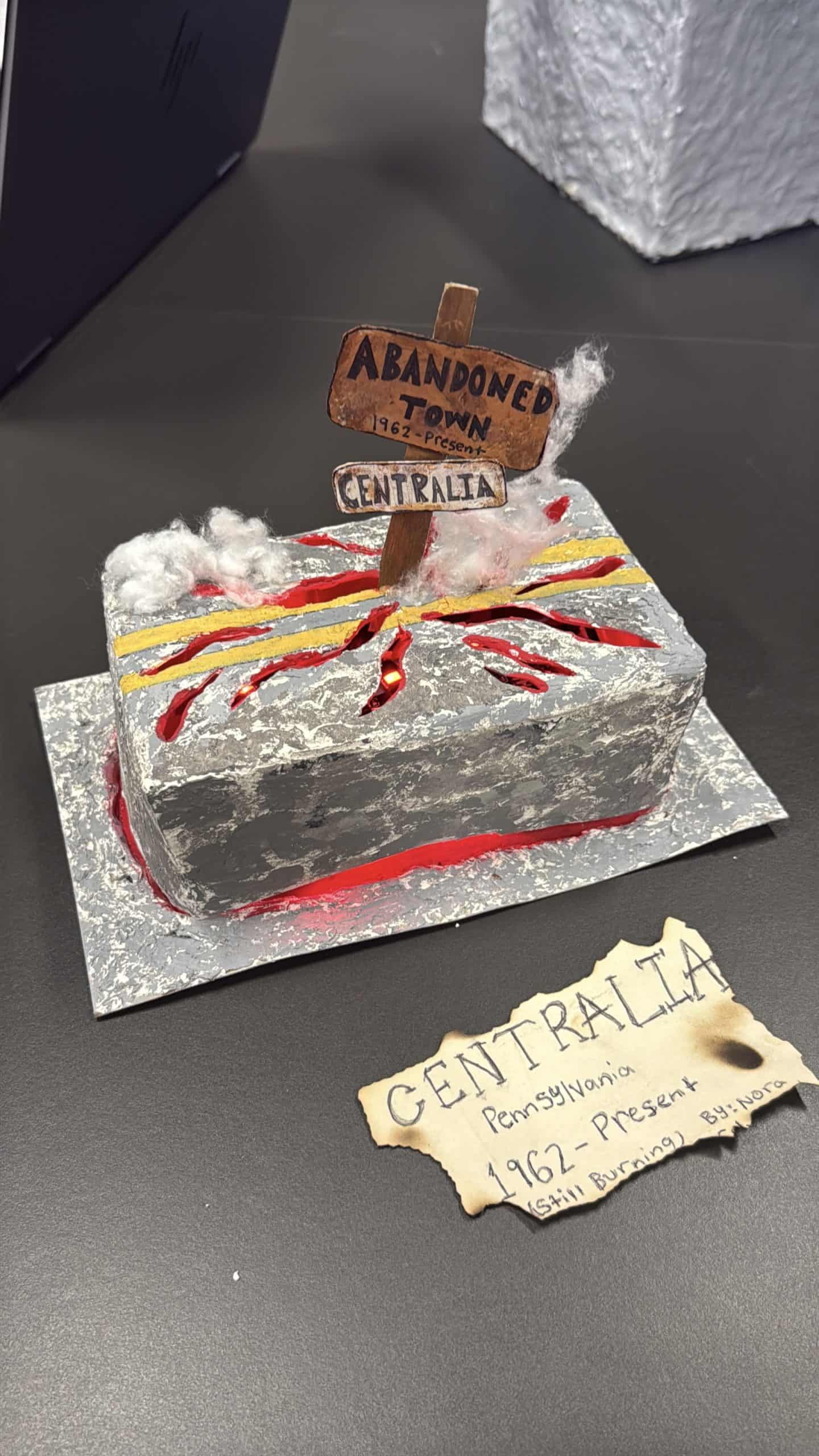
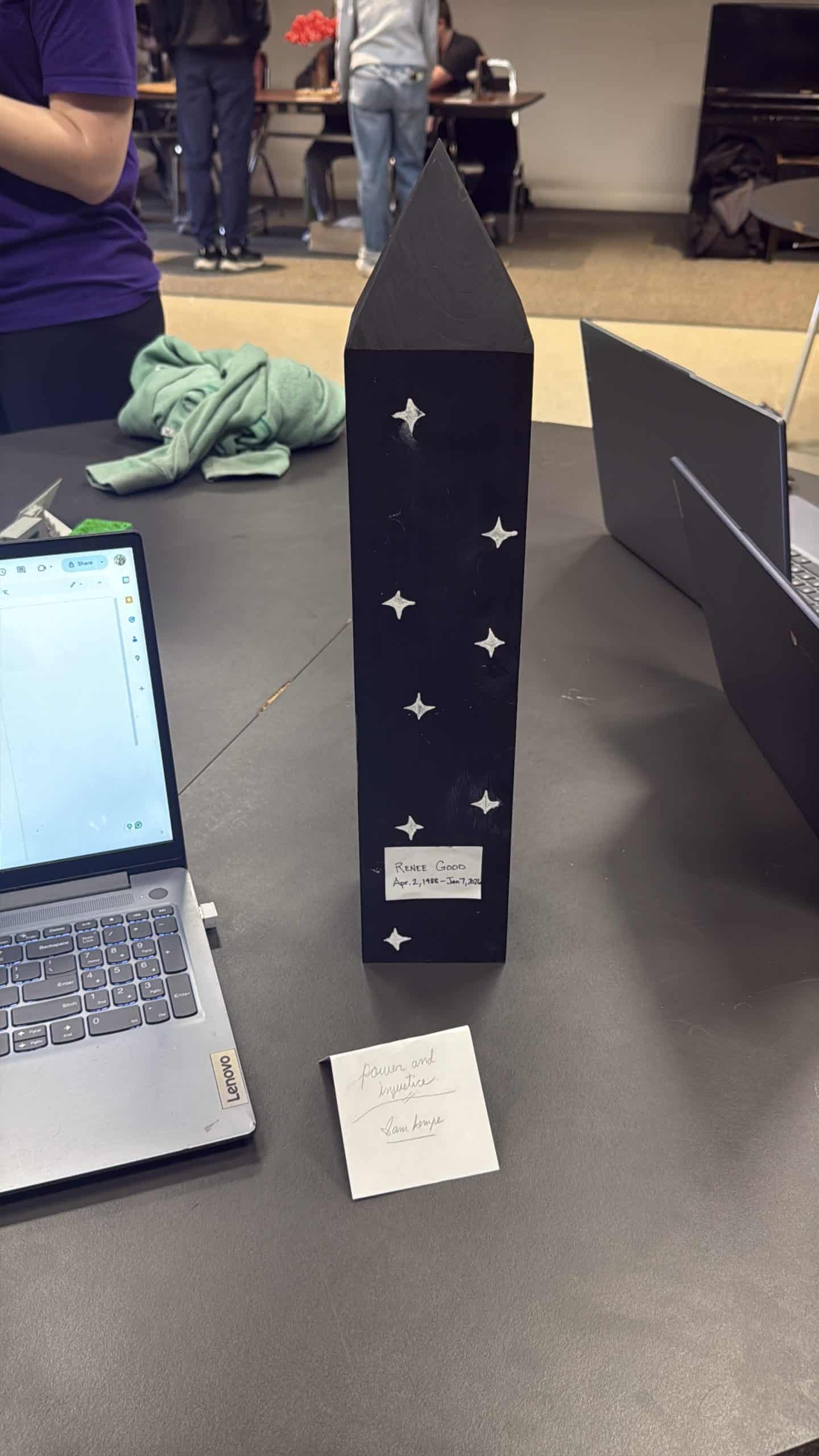
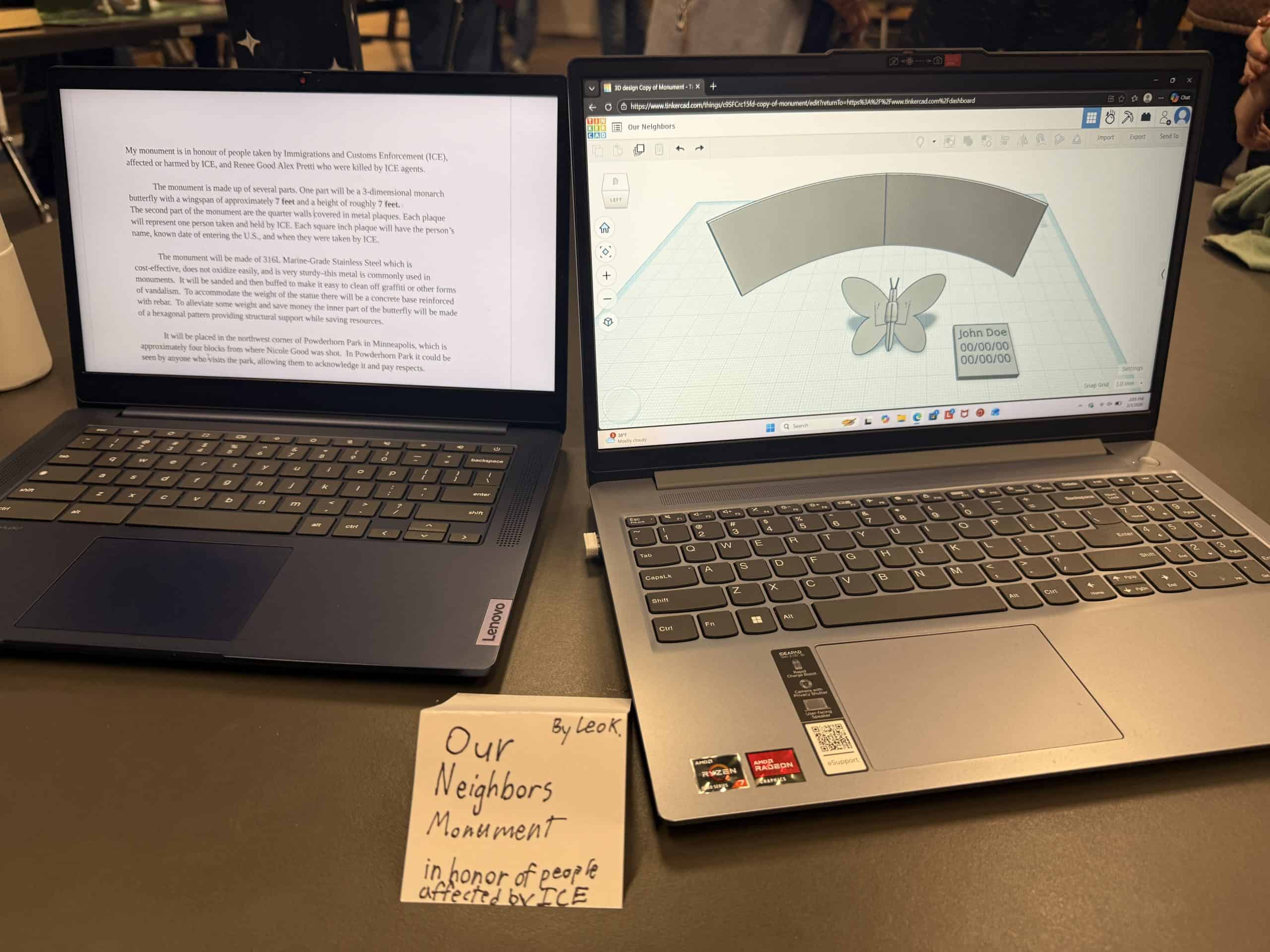
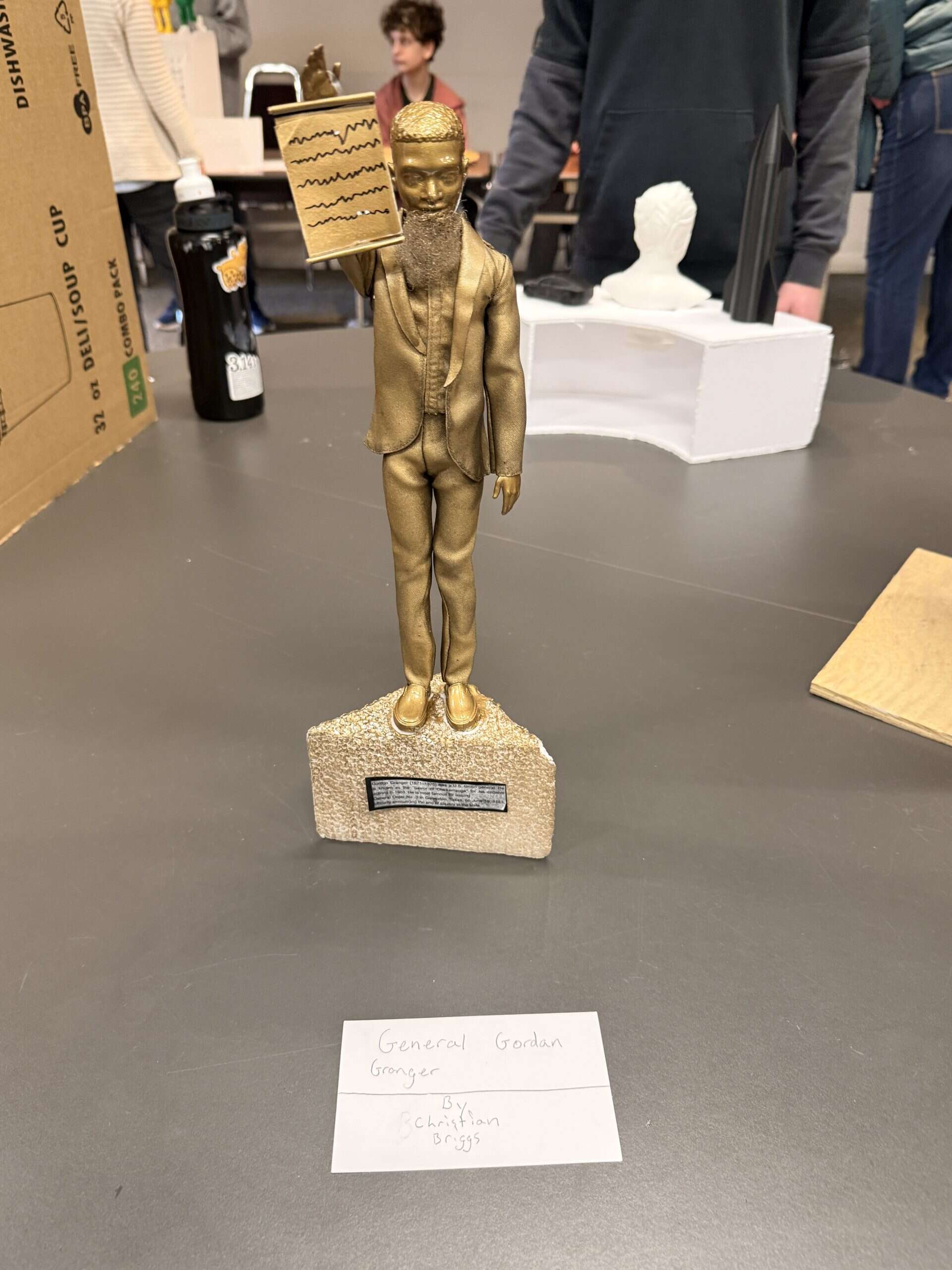
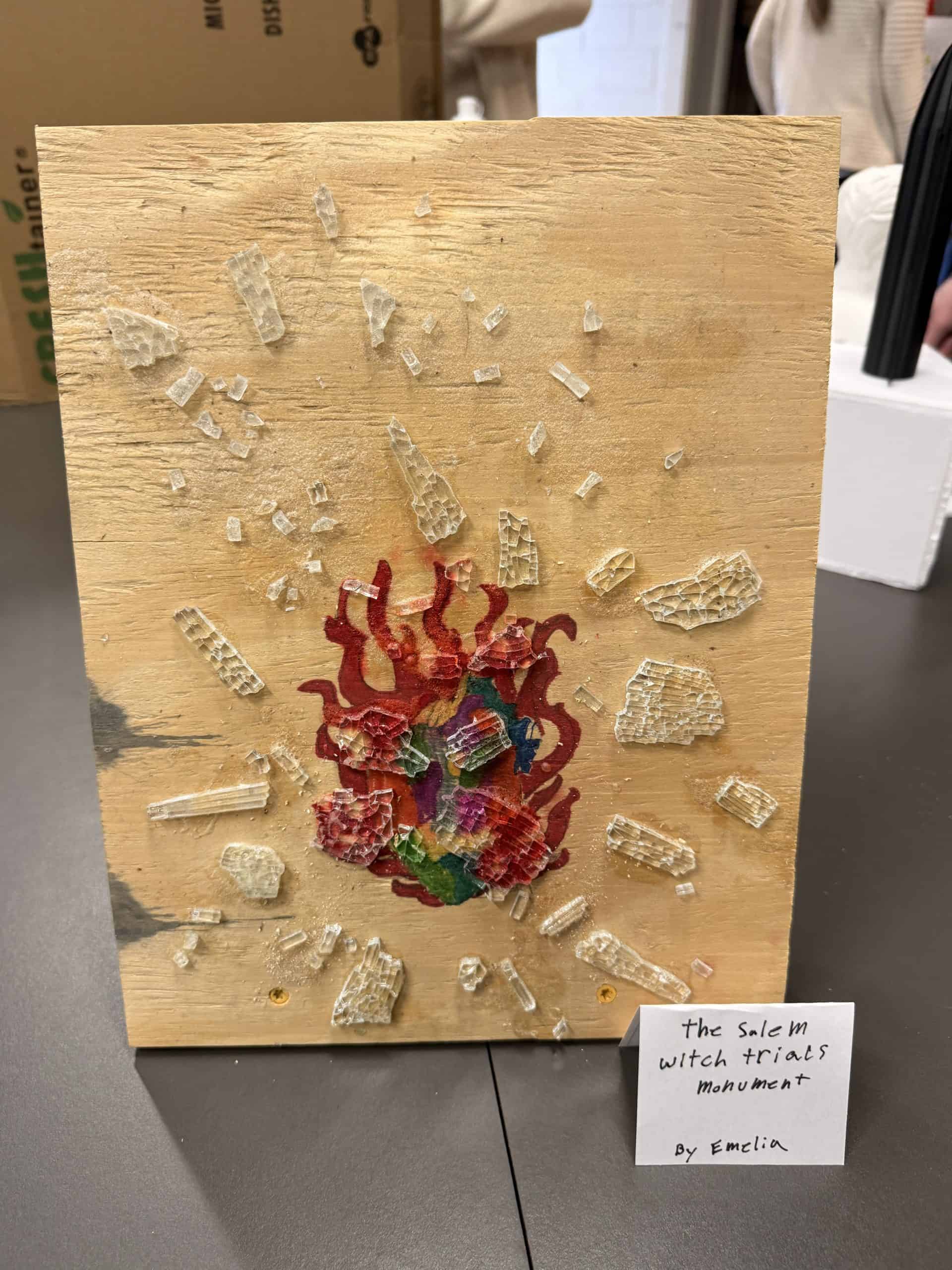
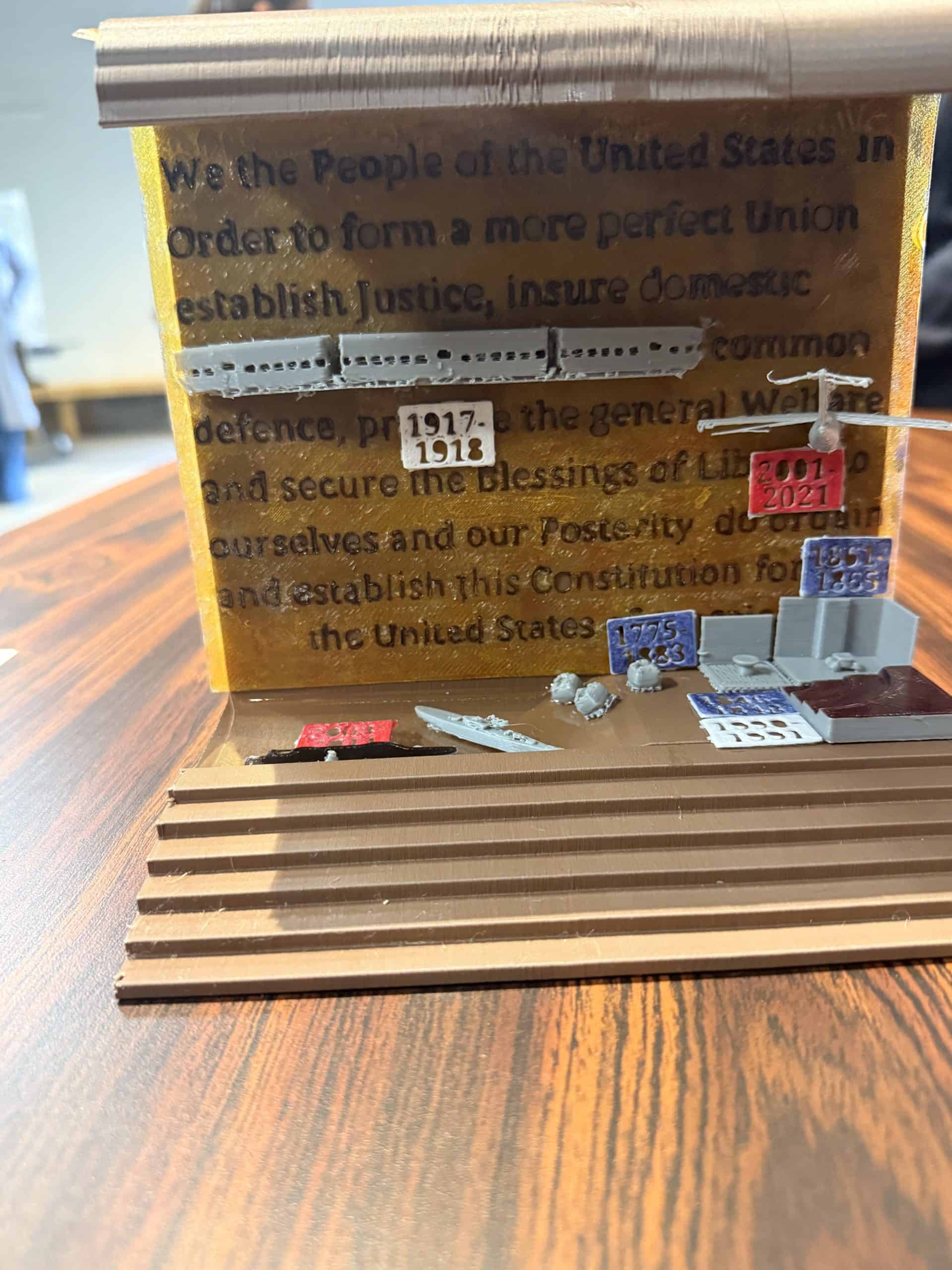
For the purpose of the assignment the students define a monument as “a statement of power and presence in public,” the projects chosen by our current 8th graders cover a wide range of topics, including women’s rights, animal rights activism, gun violence, social events in the country, and access to public education. Each project is accompanied by a written proposal, a detailed description, a visual representation, and answers to critical questions about the monument’s intent, impact, and location.
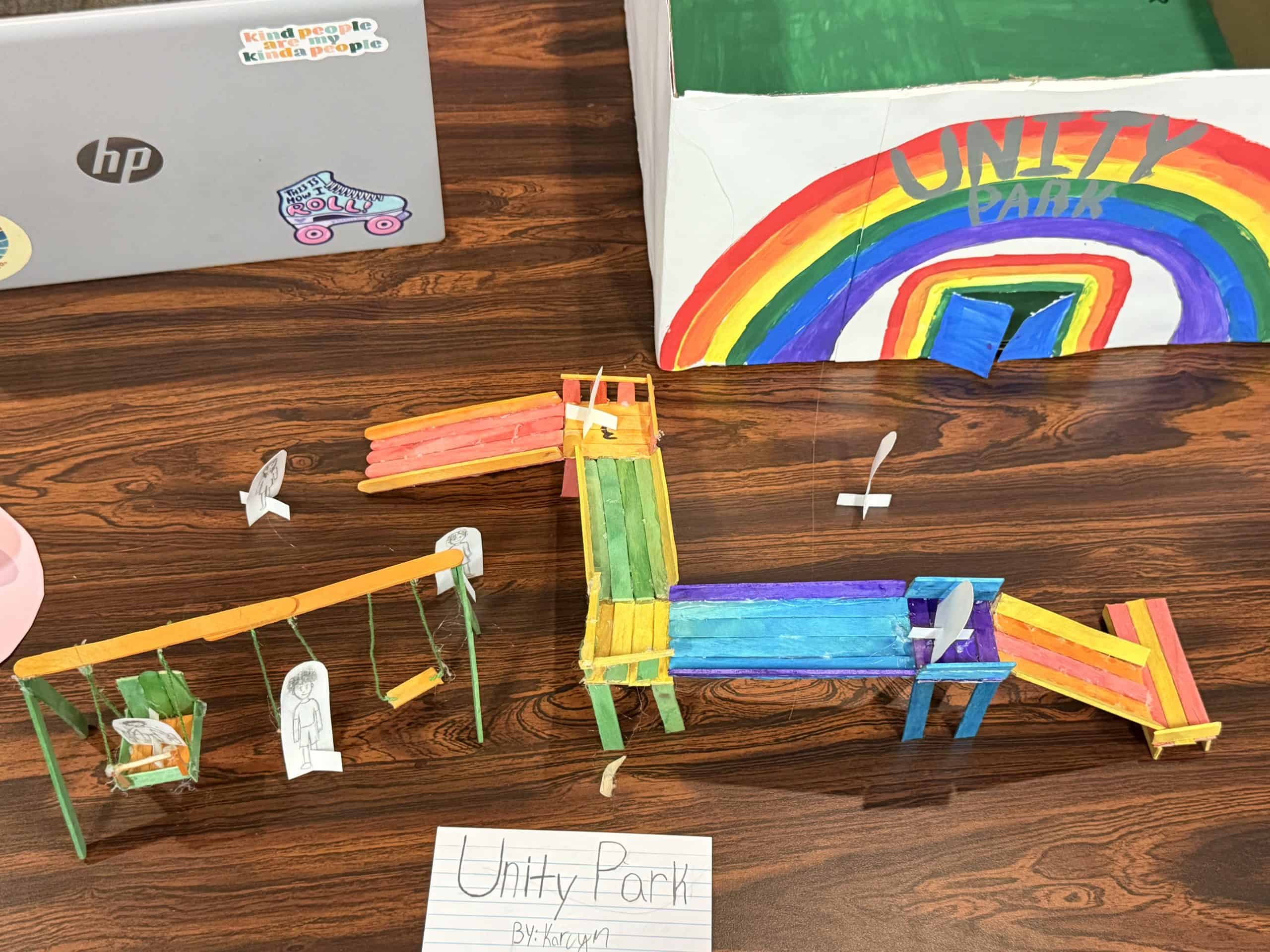
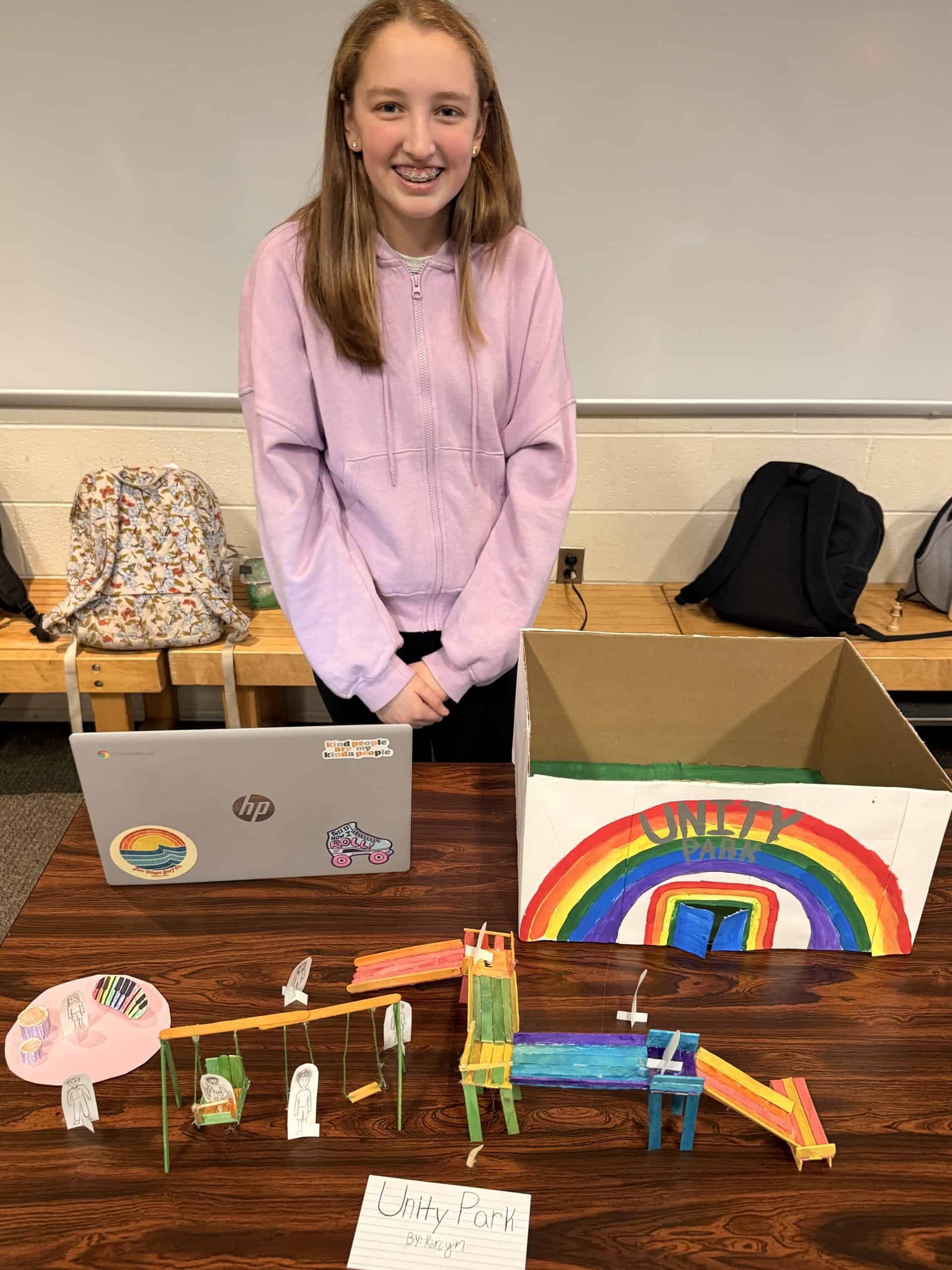
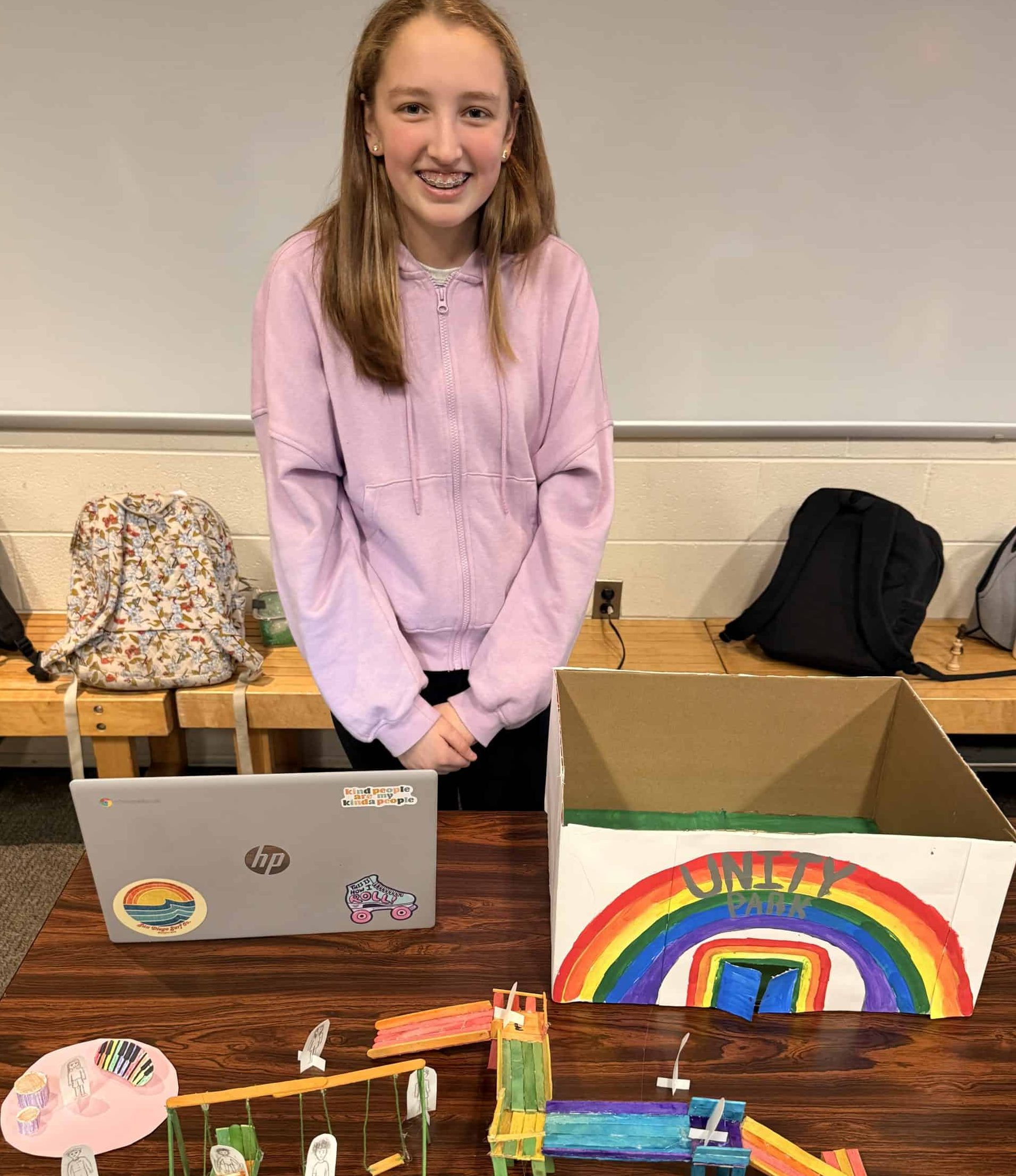
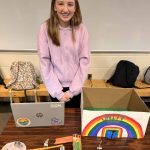 “Unity Park” A colorful playground designed for children with disabilities. This inclusive space, envisioned to be located in Boston, Massachusetts, features universal accessibility, interactive elements, and trained staff to ensure a safe and welcoming environment for all children. The playground serves as a monument to inclusion and empowerment, honoring the experiences of children with disabilities and promoting community and possibility. The student behind this project explains that it is more than just a playground; it is a tribute to her father’s work with disabled individuals. By creating a space where children of all abilities can connect and play demonstrating that differences can unite rather than divide.
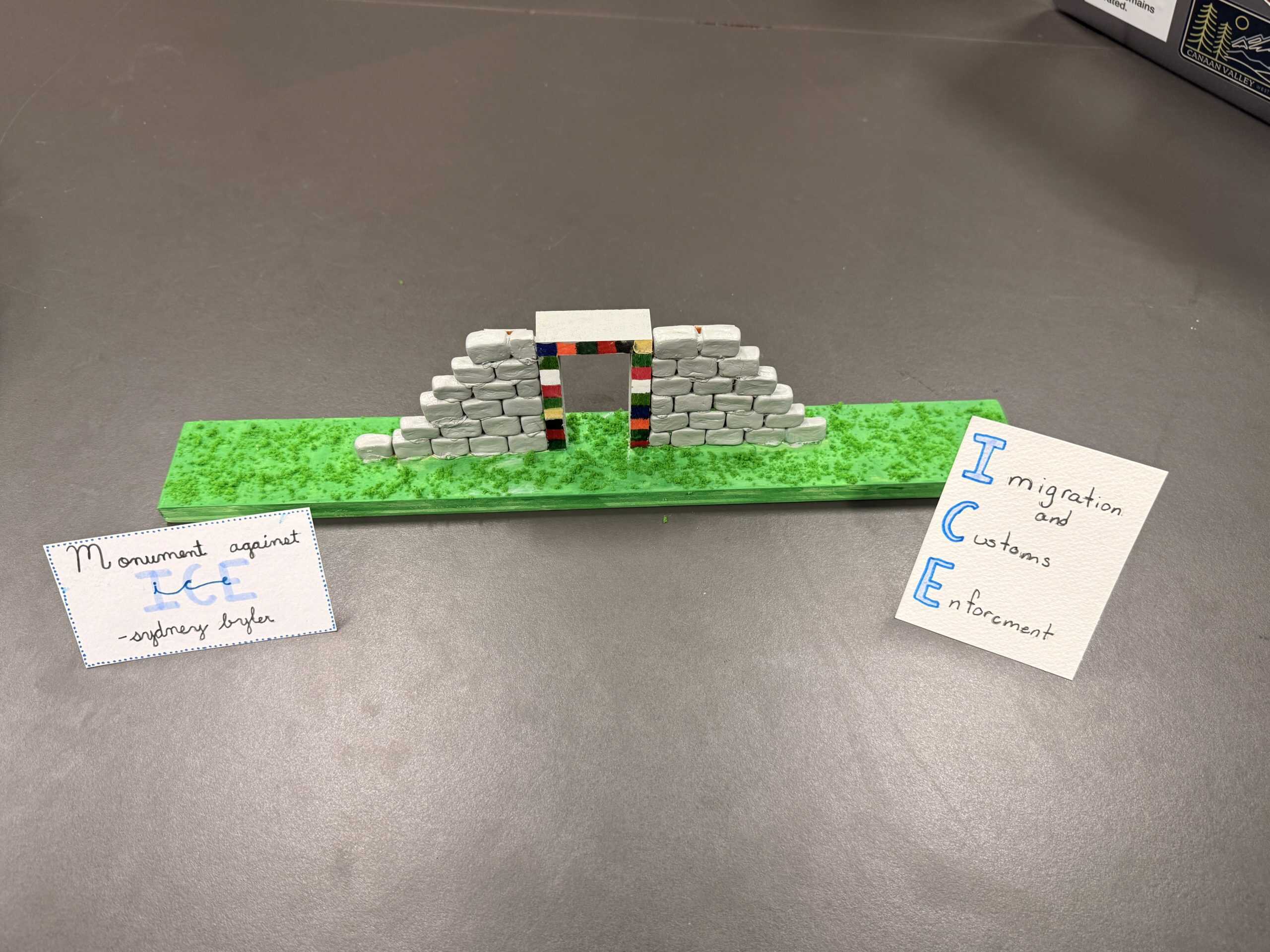
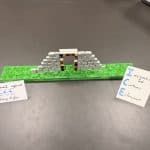 “Monument Against ICE” A monument to target those oblivious to the suffering caused by ICE, as well as those directly affected, offering them a message of visibility and solidarity. It aims to be both a memorial and a beacon of hope, symbolizing the fight for justice and recognition of lives lost. The monument, located at Rio Grande Riverpark in El Paso, Texas, serves as a poignant reminder that beauty transcends borders. It honors individuals who have died in ICE detention camps or due to ICE officers, using a symbolic wall of stones representing each life lost. The wall features a colorful mosaic door frame surrounded by field stones, signifying the ongoing toll from 2025 onwards, with the intent to make this tragedy impossible to ignore.
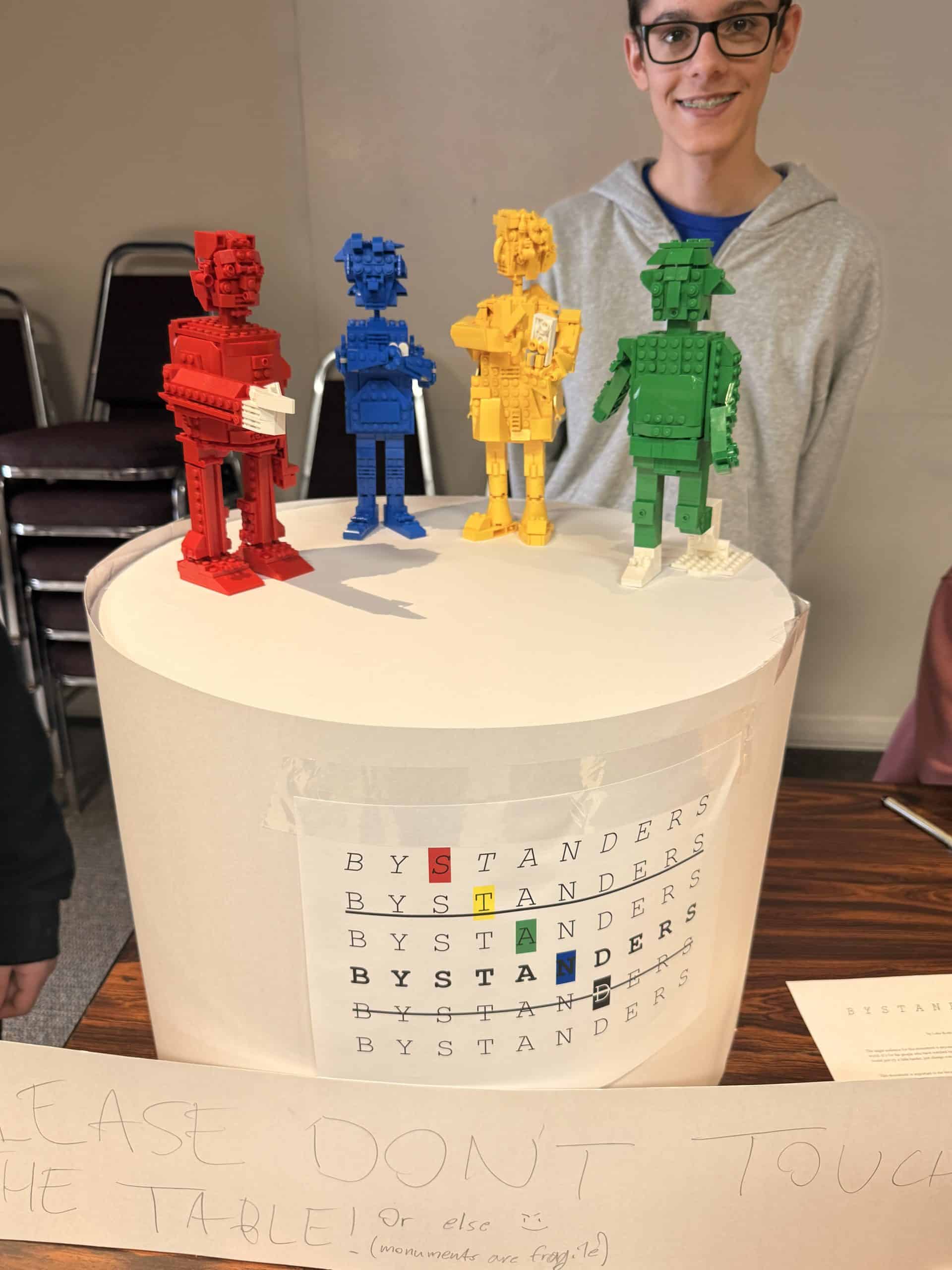
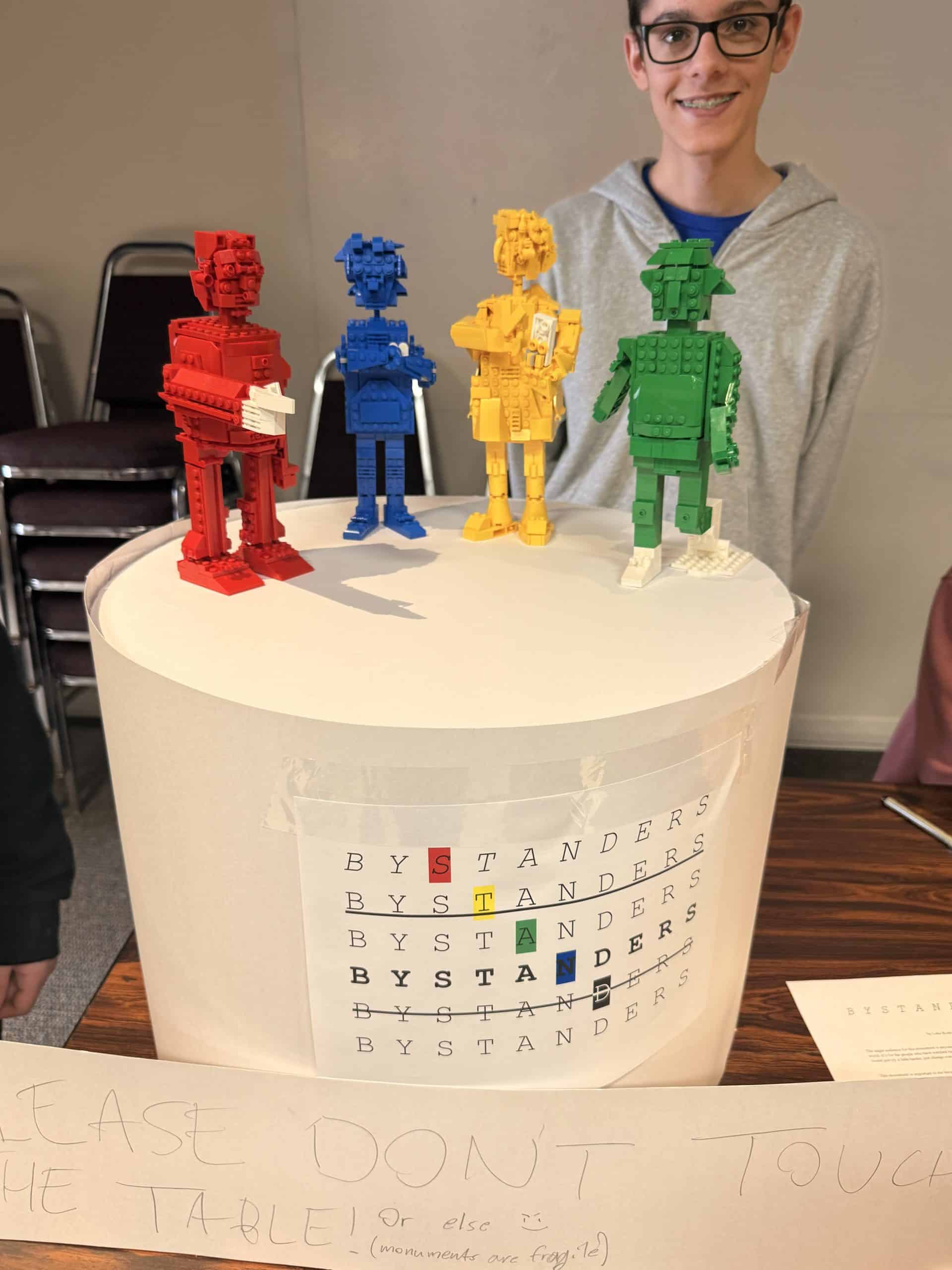
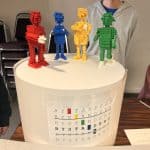 “Bystanders” Societal injustice through a model depicting four bystanders and one persecuted individual, emphasizing the role of inaction. The installation, inspired by the historical example of the Tule Lake internment camp, critiques how bystanders can unintentionally cause harm. The figures, built with Legos and standing around a prison-like cell, symbolize different reactions to injustice: The Onlooker ignores, The Pointer deflects, The Documenter captures, and The Interacter attempts to help ineffectively. The persecuted figure inside the cell represents marginalized individuals. The model underscores the importance of actively standing against injustice and imagines a history where people consistently acted on their beliefs.
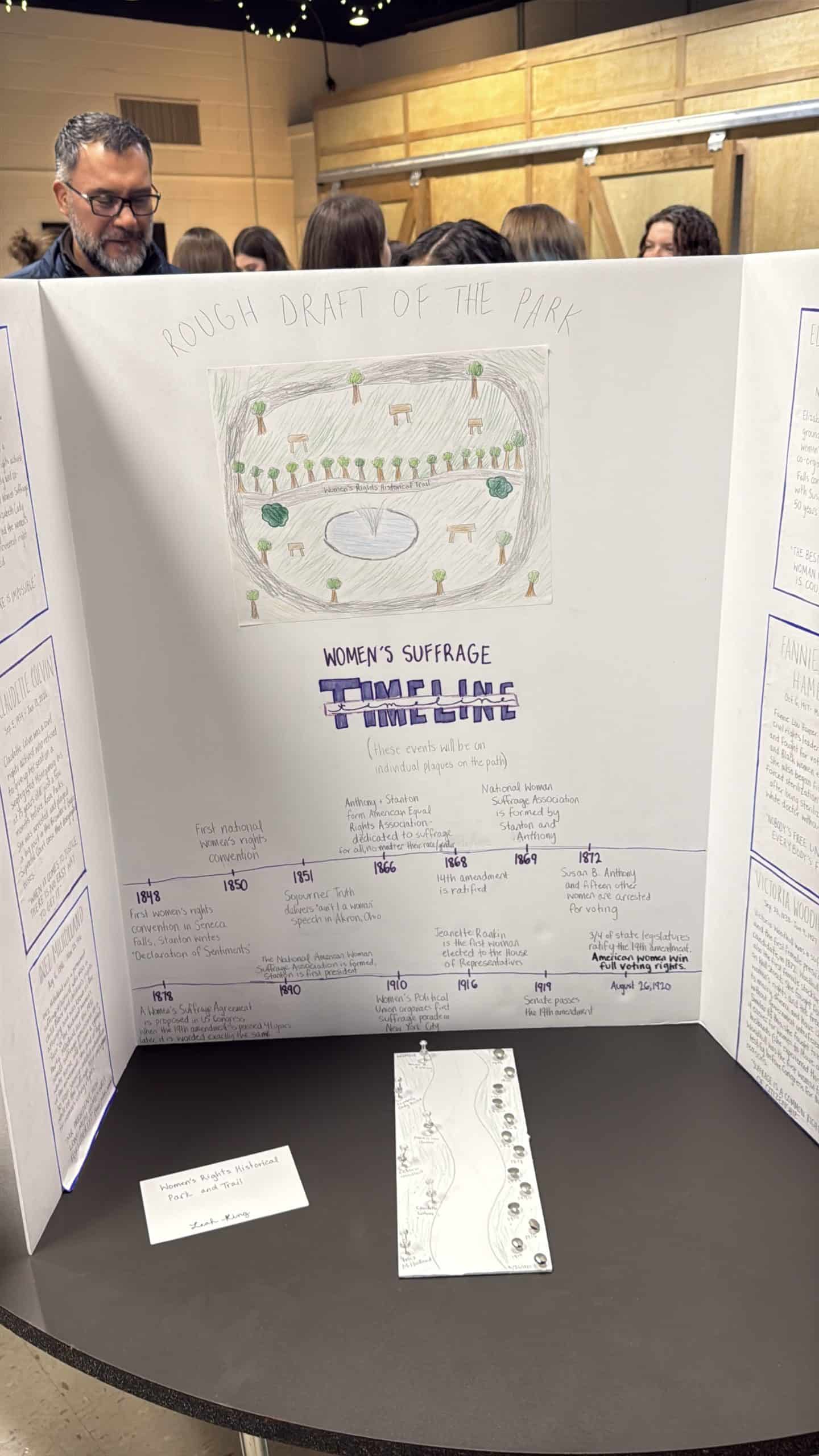
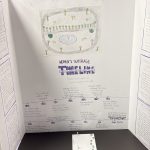 “Women’s Rights Historical Park and Trail” The park features a variety of trees and flowers symbolizing women’s rights and equality, such as mimosas and oak trees. At its core, a winding trail highlights key figures and dates from the women’s suffrage and civil rights movements, emphasizing that the struggle for women’s rights continues. The park aims to raise awareness about gender inequality in a highly visited area, encouraging the public to engage with the issue.
Finally, the students hosted also a Monument Gallery Walk, where they could share these projects with friends and family, and other students and teachers.
Check out some more photos from this story
 English
  Español de México