
Cultivating Critical Thinking Chapel Series
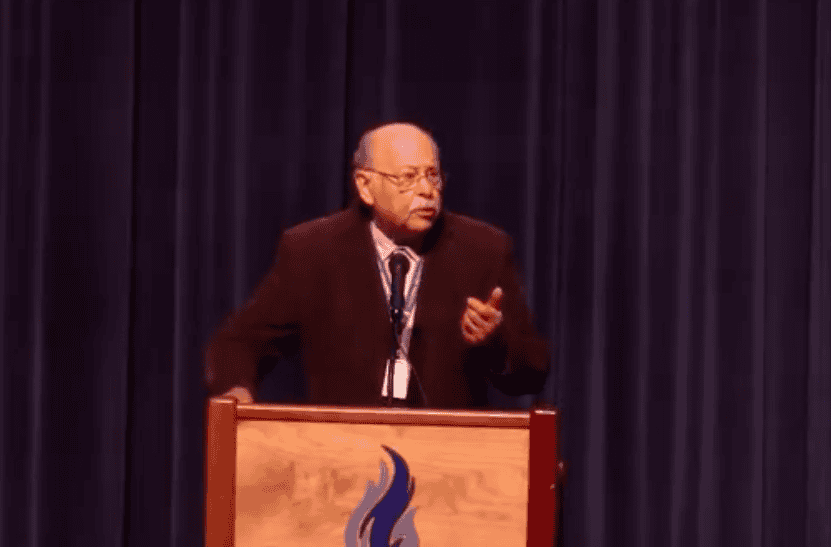
In an era where information is abundant, critical thinking continues to be an essential skill for navigating the complexities of modern life. Karen Suderman, Chapel Coordinator, recently introduced a series on critical thinking at Eastern Mennonite School, building on a prior study of the Book of James. The series began with Suderman opening with a poignant prayer by Pádraig Ó Tuama:
“God of all humanity,
in times of violence we see how inhuman we can be.
We pray for those who, today, are weighed down by grief.
And the day before, and all the days before the day before.
We pray, too, for those who help us turn towards justice and peace.
Turn us all towards justice and peace because we need it.
Amen.”
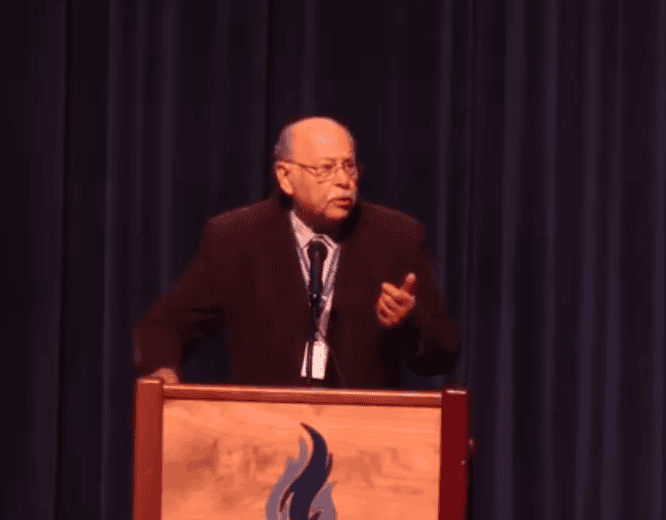
This call to reflection set the stage for a discussion on conscientious objection and peacebuilding, featuring insights from Joe Hackman, an EMS parent and Chief People Officer at Virginia Mennonite Retirement Community.
A Legacy of Service and Critical Reflection
The symposium highlighted the experiences of Ken Seitz and Ken Graber, who chose paths of conscientious objection during times of military drafts in the US. Ken Seitz, an EMS alumnus, shared his journey of personal growth and empathy through alternative service, inspired by his Mennonite upbringing and a commitment to follow Jesus’s teachings of loving one’s enemies.
Seitz’s narrative included his time at the Mennonite Youth Village in Michigan, where he learned to appreciate diverse backgrounds and collaborate effectively. His work in South Texas with underserved students further enriched his understanding of empathy and cultural sensitivity. “I learned there was a purposeful alternative to military service,” he reflected, emphasizing the lifelong impact of these experiences.
Ken Graber echoed similar sentiments, recounting his service in Bolivia’s agricultural program. His exposure to different cultures honed his critical thinking and adaptability. Graber’s career, which included roles in economic development and microfinance, was deeply influenced by his early experiences in service.
The Impact of Service on Lives and Careers
Both Seitz and Graber acknowledged how their service experiences shaped their futures. Seitz continued his journey of empathy and service, contributing to Mennonite Voluntary Service and later teaching at Eastern Mennonite University. Graber, after returning to Bolivia with his family, worked in economic development and microfinance, empowering women in post-conflict regions.
Their stories underscore the impact that critical thinking and service can have on personal and professional development even from an early age.
By engaging with diverse communities and embracing empathy, they modeled the principles of conscientious objection beyond mere refusal, transforming it into active, constructive engagement with the world.
The EMS chapel series on critical thinking serves as a reminder of the importance of questioning, reflection, and empathy in our lives. Through prayer, discussion, and shared experiences, the series encourages individuals to turn towards justice and peace, fostering a community where critical thinking is not just an academic exercise but a way of life.
Watch the chapel service here!

 English
  Español de México